#SMASHWORDS is having its 17th Annual “Read An #Ebook Week” NOW! Final Days: March 1 – 7, 2026! Many #sales and #discounts, some #free, #ebookweek26
(Ignore the dates; I like this image!)
Many #sales and #discounts, some #free, #ebookweek26 Get any ebook format you want on Smashwords
The Story Behind “Read an Ebook Week” (RAEW): Read an Ebook Week was created by Canadian Smashwords author, Rita Toews. If you’re interested to learn the story behind her creation of Read an Ebook Week, read the 2010 interview with Rita over at The Huffington Post . Please note that the prior web address mentioned in the interview, www. ebookweek.com, is now controlled by a squatter and is not associated with this promotion, so please don’t link to or promote the old address.
All three published Volumes of the sci-fi/romance/multiverse/utopian/paranormal (psi) ebooks in The Spanners Series for adults/NA/YA are participating in this great sale! And, if you prefer or want also to have paperbacks, scroll to the end for the Amazon links to utilize Kindle Matchbook discounts to purchase those!
Volume I, This Changes Everything, The Spanners Series, by Sally Ember, Ed.D. Dr. Clara Ackerman Branon, 58, begins having secret visits from holographic representations of beings from the Many Worlds Collective, a consortium of planet and star systems in the multiverse. When Earth is invited to join the consortium, the secret visits are made public. Now Earthers must adjust their beliefs and ideas about life, religion, culture, identity and everything they think and are. Clara is selected to be the liaison between Earth and the Many Worlds Collective and she chooses Esperanza Enlaces to be the Media Contact. They team up to provide information to stave off riots and uncertainty. The Many Worlds Collective holos train Clara and the Psi-Warriors for the Psi Wars with the rebelling Psi-Defiers, communicate effectively with many species on Earth and off-planet, eliminate ordinary, elected governments and political boundaries, convene a new group of Global Leaders, and deal with family’s and friends’ reactions.
In what multiple timelines of the ever-expanding multiverse do Clara and her long-time love, Epifanio Dang, get to be together and which leave Clara alone and lonely as the leader of Earth? This Changes Everything begins the 30-year story of Clara’s term as Earth’s first Chief Communicator, continuing in nine more Volumes of The Spanners Series. Are you ready for the changes?
Volume II, This Changes My Family and My Life Forever, The Spanners Series, by Sally Ember, Ed.D. No coupon needed! 50% off!
Intrigued by multiple timelines, aliens, psi skills, romance and planetary change? Clara and the alien “Band” are back in Volume II, This Changes My Family and My Life Forever, The Spanners Series. Now as Chief Communicator, Clara leads the way for interspecies communication on- and off-planet. Fighting these changes are the Psi-Defiers, led by one of the oldest friends of the Chief of the Psi-Warriors, its reluctant leader, Rabbi Moran Ackerman. Stories from younger Spanners about the first five years of The Transition fill Volume II. How would you do with the changes?
Volume III, This Is/Is Not the Way I Want Things to Change, The Spanners Series, by Sally Ember, Ed.D. No coupon needed! 75% off!
Clara, Moran, Espe, Epifanio and the alien Band of holos are back in This Is /Is Not The Way I Want Things to Change of The Spanners Series. Psi-Defiers launch increasingly violent protests during this five-year Transition, attempting to block Earth’s membership into the Many Worlds Collective. To join, Earth’s nations and borders must dissolve and Psi-Warriors must strengthen in their battle against the rebels. Clara, continuing as Earth’s first Chief Communicator, also juggles family conflicts and danger while creating psi skills training Campuses to help Earth through the Psi-Wars. Clara timults alternate versions of their futures as the leaders’ duties and consciences force them each to make difficult choices across multiple timelines while continuing to train and fight. Will the Psi-Warriors’ and other leaders’ increasing psi skills, interspecies collaborations and budding alien alliances be enough for Earth to make it through The Transition intact? If there is no clear path for Clara’s and Epifanio’s love, does she partner with Steve or go it alone? What do you do with wanted/unwanted changes?
Find ALL books participating in the Smashwords’ Read An Ebook Week sale and stock up on your favorite genres, authors and titles OR scout out some new talent! https://www.smashwords.com/books/category/1/newest/1
PAPERBACK LOVERS: Kindle MatchBook includes all three Volumes of The Spanners Series! Buy any ebook format and get a discount on the paperback of the same Volume (or vice-versa).
Project CETI (Cetacean Translation Initiative) is Succeeding!
“For the first time in history, humans didn’t just listen to whales – we talked back. “Using advanced AI, marine biologists analyzed millions of sperm whale codas – rhythmic clicking patterns long suspected to be more than simple sounds. What the AI uncovered stunned scientists: grammar, syntax, structure, and even regional dialects.”
“Project CETI (Cetacean Translation Initiative): This is a leading research initiative using advanced machine learning, robotics, and underwater acoustics to understand sperm whale ‘codas’ (patterns of clicks).
“Discoveries: The project has identified what some researchers call a ‘phonetic alphabet’ of 156 distinct codas, which are combined into phrases and varied by context and dialect, suggesting a level of complexity approaching human language.
“Goal: The team hopes to achieve basic two-way communication, such as location sharing or warning signals, with sperm whales possibly within 2026.
“Current Status [December, 2025]: The project is currently in a phase of data collection and analysis, training AI models to identify patterns and structures in whale communication, with plans to test hypotheses through non-intrusive playback experiments.
“Humpback Whale ‘Conversation’: In October 2024, researchers with the Whale-CETI team conducted a groundbreaking, 20-minute interactive “conversation” with a humpback whale named Twain. The whale discernibly responded in a conversational style to a recorded humpback greeting signal played via an underwater speaker, marking a significant milestone in interspecies interaction.
“AI Progress: AI programs like Google’s DolphinGemma and tools like the WhAM model are being used to analyze vast amounts of acoustic data, identifying patterns and structures in whale and dolphin communication that were previously undetectable by humans.
“While these developments show immense promise and researchers are optimistic about future breakthroughs, the ability to engage in complex, meaningful communication similar to a human conversation remains a future goal. The work is helping scientists rethink the nature of non-human intelligence and may have implications for animal rights and conservation.”
THIS NEXT PART was in Facebook and MAY BE EXAGGERATED: “Then came the moment that changed everything. “Researchers played a synthesized whale greeting into the ocean. “The response? “A 40-minute exchange – filled with patterned clicks believed to convey information about ocean currents, food locations, and movement through space. “This wasn’t noise. “It was conversation. “The discovery suggests whale communication rivals human language in complexity, expressing ideas of family, location, and time. For the first time, humanity glimpsed intelligence not shaped by cities or technology – but by oceans and generations beneath the waves. “Next on the horizon: dolphins… elephants… and beyond. “We’ve always searched the stars for other minds. “Now we’re realizing something profound: “We were never alone on Earth.”
*******
I write about interspecies communication extensively, particularly with Cetaceans (but composed years before this) in my three sci-fi books of The Spanners Series. Check them out! https://www.sallyember.com/Spanners
Smashwords is having its 9th Annual End-of-Year Sale and features The Spanners Series‘ ebooks in every format (reader’s choice)!
The Spanners Series first three Volumes of utopian science-fiction/romance by Sally Ember, Ed.D. are on sale NOW as ebooks and in paperback on Amazon or Draft-2-Digital!
—free (Volume I) —only $1.99 (Volume II) for Volume II, on Smashwords, only, 12/08-25–1/1/26 —only $0.99 (Volume III) on Smashwords, only, 12/08-25–1/1/26 (usually $3.99 each for ebooks)! See below for links and more info.
Whether you’re sweating, freezing, rained or snowed on or anywhere in between, there is still time to READ! Give ebooks for gifts for birthdays, graduations, holidays, anniversaries, vacations: any time!
This is a great time to get absorbed into my UTOPIAN sci-fi. We all need a break from reality….
The paperbacks of all three Volumes are in the Kindle Match/Kindle Matchbook program at Amazon! See below for links, details and coupon codes (on Smashwords, only) for each of the Volumes.
This Changes Everything, Vol. I, The Spanners Series
Dr. Clara Ackerman Branon, 58, begins having secret visits from holographic representations of beings from the Many Worlds Collective, a consortium of planet and star systems in the multiverse. When Earth is invited to join the consortium, the secret visits are made public. Now Earthers must adjust their beliefs and ideas about life, religion, culture, identity and everything they think and are.
Clara is selected to be the liaison between Earth and the Many Worlds Collective and she chooses Esperanza Enlaces to be the Chief Media Contact. They team up to provide information to stave off riots and uncertainty. The Many Worlds Collective holos train Clara and the Psi-Warriors for the Psi Wars with the rebelling Psi-Defiers, communicate effectively with many species on Earth and off-planet, eliminate ordinary, elected governments and political boundaries, convene a new group of Global Leaders, and deal with family’s and friends’ reactions.
In what multiple timelines of the ever-expanding multiverse do Clara and her long-time love, Epifanio Dang, get to be together and which leave Clara alone and lonely as the leader of Earth?
This Changes Everything spans the 30-year story of Clara’s term as Earth’s first Chief Communicator, continuing in nine more Volumes of The Spanners Series.
These paperbacks are in the Kindle Match program on Amazon. This means that if you purchase both the ebook and its paperback counterpart (in this case, download Volume I for free), you get a discount for the total package. Vol I Amazon link: http://www.amzn.com/B00HFELTG8
This Changes My Family and My Life Forever, Vol. II, The Spanners Series
Intrigued by multiple timelines, aliens, psi skills, romance and planetary change? Clara and the alien “Band” are back in Volume II, This Changes My Family and My Life Forever.
Now as Chief Communicator, Clara leads the way for interspecies communication on- and off-planet. Fighting these changes are the Psi-Defiers, led by one of the oldest friends of the Chief of the Psi-Warriors, its reluctant leader, Rabbi Moran Ackerman. Stories from younger Spanners about the first five years of The Transition fill Volume II.
How would YOU do with the changes?
Volume II, This Changes My Family and My Life Forever: EBOOKS now $1.99, 50% off the regular price of $3.99, on Smashwords, any ebook format (reader’s choice).
These paperbacks are in the Kindle Match/Kindle Matchbook program on Amazon. This means that if you purchase both the ebook and its paperback counterpart, you get a discount for the total package. Vol II Amazon link:: http://www.amzn.com/B00KU5Q7KC
This Is/Is Not the Way I Want Things to Change, Vol. III, The Spanners Series
Clara, Moran, Espe, Epifanio and the alien Band of holos are back in This Is/Is Not the Way I Want Things to Change, Volume III of The Spanners Series. Psi-Defiers launch increasingly violent protests during this five-year Transition, attempting to block Earth’s membership into the Many Worlds Collective. Earth’s nations and borders must dissolve and Psi-Warriors must strengthen in their battle against the rebels.
Clara, as Earth’s first Chief Communicator, also juggles family conflicts and danger while creating psi skills training Campuses to help Earth through the Psi Wars. Clara timults alternate versions of their futures as the leaders’ duties and consciences force them to make difficult choices across multiple timelines, continuing to train and fight.
Will the Psi-Warriors’ and other leaders’ increasing psi skills, interspecies collaborations and budding alien alliances be enough for Earth to make it through The Transition intact? If there is no clear path for Clara’s and Epifanio’s love, does she partner with Steve or go it alone?
What do YOU do with wanted/unwanted changes?
Volume III, This Is/Is Not the Way I Want Things to Change: EBOOKS now $0.99, 75% off the regular price of $3.99, on Smashwords, any ebook format (reader’s choice).
These paperbacks are in the Kindle Match/Kindle Matchbook program on Amazon. This means that if you purchase both the ebook and its paperback counterpart, you get a discount for the total package. Vol III Amazon link:: http://www.amzn.com/B0177Z1KRM
The Spanners Series‘ three paperbacks.
Print editions and ebooks published under Timult Books
REVIEWERS: Ask for FREE Ebook coupon codes for Volumes II and III on Smashwords any time: sallyember AT yahoo DOT com
For more information about Sally Ember, Ed.D., including bio, books, blog, archived episodes of my video talk show (CHANGES conversations between authors), guest blog posts and guidelines, links to author interviews, book trailers and more: http://www.sallyember.com
Smashwords is having its 9th Annual End-of-Year Sale and features The Spanners Series‘ ebooks in every format (reader’s choice)!
The Spanners Series first three Volumes of utopian science-fiction/romance by Sally Ember, Ed.D. are on sale NOW as ebooks and in paperback on Amazon or Draft-2-Digital!
—free (Volume I) —only $1.99 (Volume II) for Volume II, on Smashwords, only, 12/08-25–1/1/26 —only $0.99 (Volume III) on Smashwords, only, 12/08-25–1/1/26 (usually $3.99 each for ebooks)! See below for links and more info.
Whether you’re sweating, freezing, rained or snowed on or anywhere in between, there is still time to READ! Give ebooks for gifts for birthdays, graduations, holidays, anniversaries, vacations: any time!
This is a great time to get absorbed into my UTOPIAN sci-fi. We all need a break from reality….
The paperbacks of all three Volumes are in the Kindle Match/Kindle Matchbook program at Amazon! See below for links, details and coupon codes (on Smashwords, only) for each of the Volumes.
This Changes Everything, Vol. I, The Spanners Series
Dr. Clara Ackerman Branon, 58, begins having secret visits from holographic representations of beings from the Many Worlds Collective, a consortium of planet and star systems in the multiverse. When Earth is invited to join the consortium, the secret visits are made public. Now Earthers must adjust their beliefs and ideas about life, religion, culture, identity and everything they think and are.
Clara is selected to be the liaison between Earth and the Many Worlds Collective and she chooses Esperanza Enlaces to be the Chief Media Contact. They team up to provide information to stave off riots and uncertainty. The Many Worlds Collective holos train Clara and the Psi-Warriors for the Psi Wars with the rebelling Psi-Defiers, communicate effectively with many species on Earth and off-planet, eliminate ordinary, elected governments and political boundaries, convene a new group of Global Leaders, and deal with family’s and friends’ reactions.
In what multiple timelines of the ever-expanding multiverse do Clara and her long-time love, Epifanio Dang, get to be together and which leave Clara alone and lonely as the leader of Earth?
This Changes Everything spans the 30-year story of Clara’s term as Earth’s first Chief Communicator, continuing in nine more Volumes of The Spanners Series.
These paperbacks are in the Kindle Match program on Amazon. This means that if you purchase both the ebook and its paperback counterpart (in this case, download Volume I for free), you get a discount for the total package. Vol I Amazon link: http://www.amzn.com/B00HFELTG8
This Changes My Family and My Life Forever, Vol. II, The Spanners Series
Intrigued by multiple timelines, aliens, psi skills, romance and planetary change? Clara and the alien “Band” are back in Volume II, This Changes My Family and My Life Forever.
Now as Chief Communicator, Clara leads the way for interspecies communication on- and off-planet. Fighting these changes are the Psi-Defiers, led by one of the oldest friends of the Chief of the Psi-Warriors, its reluctant leader, Rabbi Moran Ackerman. Stories from younger Spanners about the first five years of The Transition fill Volume II.
How would YOU do with the changes?
Volume II, This Changes My Family and My Life Forever: EBOOKS now $1.99, 50% off the regular price of $3.99, on Smashwords, any ebook format (reader’s choice).
These paperbacks are in the Kindle Match/Kindle Matchbook program on Amazon. This means that if you purchase both the ebook and its paperback counterpart, you get a discount for the total package. Vol II Amazon link:: http://www.amzn.com/B00KU5Q7KC
This Is/Is Not the Way I Want Things to Change, Vol. III, The Spanners Series
Clara, Moran, Espe, Epifanio and the alien Band of holos are back in This Is/Is Not the Way I Want Things to Change, Volume III of The Spanners Series. Psi-Defiers launch increasingly violent protests during this five-year Transition, attempting to block Earth’s membership into the Many Worlds Collective. Earth’s nations and borders must dissolve and Psi-Warriors must strengthen in their battle against the rebels.
Clara, as Earth’s first Chief Communicator, also juggles family conflicts and danger while creating psi skills training Campuses to help Earth through the Psi Wars. Clara timults alternate versions of their futures as the leaders’ duties and consciences force them to make difficult choices across multiple timelines, continuing to train and fight.
Will the Psi-Warriors’ and other leaders’ increasing psi skills, interspecies collaborations and budding alien alliances be enough for Earth to make it through The Transition intact? If there is no clear path for Clara’s and Epifanio’s love, does she partner with Steve or go it alone?
What do YOU do with wanted/unwanted changes?
Volume III, This Is/Is Not the Way I Want Things to Change: EBOOKS now $0.99, 75% off the regular price of $3.99, on Smashwords, any ebook format (reader’s choice).
These paperbacks are in the Kindle Match/Kindle Matchbook program on Amazon. This means that if you purchase both the ebook and its paperback counterpart, you get a discount for the total package. Vol III Amazon link:: http://www.amzn.com/B0177Z1KRM
The Spanners Series‘ three paperbacks.
Print editions and ebooks published under Timult Books
REVIEWERS: Ask for FREE Ebook coupon codes for Volumes II and III on Smashwords any time: sallyember AT yahoo DOT com
For more information about Sally Ember, Ed.D., including bio, books, blog, archived episodes of my video talk show (CHANGES conversations between authors), guest blog posts and guidelines, links to author interviews, book trailers and more: http://www.sallyember.com
Please visit this website to find out what my and other indie authors’ favorite books were for this and previous years, complete with covers, reviews, and links. Also, consider buying OUR books, which are on the same pages as our lists and reviews, or visiting the other lists we authors have provided on this great site for book recommendations in addition to our favorites.
You can search by author, topic/subject, year and more. Have fun and READ BOOKS!
Smashwords is once again having its annual July Summer/Winter Sale and The Spanners Series‘ ebooks in every format (reader’s choice) are either free (Volume I) or only $1.99 or $2.99 (usually $3.99) for the entire month of July! See below for info! And, go browse on Smashwords for other great discounts and sales!
VISIT THIS MONTH!
Whether you’re sweating, freezing, smoked-out, flooded, rained or snowed on or anywhere in between, there is still time to READ! Give books for gifts for birthdays, graduations, holidays, anniversaries, vacations: any time!
The paperbacks of all three Volumes are available on Amazon. Check out the KINDLEMATCH program for deals when you buy both ebooks and paperbacks of the same volume at the same time.
This Changes Everything, Vol. I, The Spanners Series
Dr. Clara Ackerman Branon, 58, begins having secret visits from holographic representations of beings from the Many Worlds Collective, a consortium of planet and star systems in the multiverse. When Earth is invited to join the consortium, the secret visits are made public. Now Earthers must adjust their beliefs and ideas about life, religion, culture, identity and everything they think and are.
Clara is selected to be the liaison between Earth and the Many Worlds Collective and she chooses Esperanza Enlaces to be the Chief Media Contact. They team up to provide information to stave off riots and uncertainty. The Many Worlds Collective holos train Clara and the Psi-Warriors for the Psi Wars with the rebelling Psi-Defiers, communicate effectively with many species on Earth and off-planet, eliminate ordinary, elected governments and political boundaries, convene a new group of Global Leaders, and deal with family’s and friends’ reactions.
In what multiple timelines of the ever-expanding multiverse do Clara and her long-time love, Epifanio Dang, get to be together and which leave Clara alone and lonely as the leader of Earth?
This Changes Everything spans the 30-year story of Clara’s term as Earth’s first Chief Communicator, continuing in nine more Volumes of The Spanners Series.
This Changes My Family and My Life Forever, Vol. II, The Spanners Series
Intrigued by multiple timelines, aliens, psi skills, romance and planetary change? Clara and the alien “Band” are back in Volume II, This Changes My Family and My Life Forever.
Now as Chief Communicator, Clara leads the way for interspecies communication on- and off-planet. Fighting these changes are the Psi-Defiers, led by one of the oldest friends of the Chief of the Psi-Warriors, its reluctant leader, Rabbi Moran Ackerman. Stories from younger Spanners about the first five years of The Transition fill Volume II.
This Is/Is Not the Way I Want Things to Change, Vol. III, The Spanners Series
Clara, Moran, Espe, Epifanio and the alien Band of holos are back in This Is/Is Not the Way I Want Things to Change, Volume III of The Spanners Series. Psi-Defiers launch increasingly violent protests during this five-year Transition, attempting to block Earth’s membership into the Many Worlds Collective. Earth’s nations and borders must dissolve and Psi-Warriors must strengthen in their battle against the rebels.
Clara, as Earth’s first Chief Communicator, also juggles family conflicts and danger while creating psi skills training Campuses to help Earth through the Psi Wars. Clara timults alternate versions of their futures as the leaders’ duties and consciences force them to make difficult choices across multiple timelines, continuing to train and fight.
Will the Psi-Warriors’ and other leaders’ increasing psi skills, interspecies collaborations and budding alien alliances be enough for Earth to make it through The Transition intact? If there is no clear path for Clara’s and Epifanio’s love, does she partner with Steve or go it alone?
Print editions and ebooks published under Timult Books
REVIEWERS: Ask for FREE Ebook coupon codes for Volumes II and III on Smashwords any time: sallyember AT yahoo DOT com
For more information about Sally Ember, Ed.D., her bio, books, blog, video talk show (CHANGES conversations between authors), guest blog posts and guidelines, links to author interviews, book trailers, proofreading/editing services and more: http://www.sallyember.com
Smashwords is having its 8th Annual End-of-Year Sale and The Spanners Series‘ ebooks in every format (reader’s choice) are on sale!
—free (Volume I) —only $1.99 (Volume II) for Volume II, on Smashwords, only, 12/12/24–1/1/25 —only $0.99 (Volume III) on Smashwords, only, 12/12/24–1/1/25 (usually $3.99 each for ebooks)! See below for links and more info.
And, go browse on Smashwords for other great discounts and sales!
Whether you’re sweating, freezing, rained or snowed on or anywhere in between, there is still time to READ! Give ebooks for gifts for birthdays, graduations, holidays, anniversaries, vacations: any time!
The paperbacks of all three Volumes are in the Kindle Match/Kindle Matchbook program at Amazon! See below for links, details and coupon codes (on Smashwords, only) for each of the Volumes.
This Changes Everything, Vol. I, The Spanners Series
Dr. Clara Ackerman Branon, 58, begins having secret visits from holographic representations of beings from the Many Worlds Collective, a consortium of planet and star systems in the multiverse. When Earth is invited to join the consortium, the secret visits are made public. Now Earthers must adjust their beliefs and ideas about life, religion, culture, identity and everything they think and are.
Clara is selected to be the liaison between Earth and the Many Worlds Collective and she chooses Esperanza Enlaces to be the Chief Media Contact. They team up to provide information to stave off riots and uncertainty. The Many Worlds Collective holos train Clara and the Psi-Warriors for the Psi Wars with the rebelling Psi-Defiers, communicate effectively with many species on Earth and off-planet, eliminate ordinary, elected governments and political boundaries, convene a new group of Global Leaders, and deal with family’s and friends’ reactions.
In what multiple timelines of the ever-expanding multiverse do Clara and her long-time love, Epifanio Dang, get to be together and which leave Clara alone and lonely as the leader of Earth?
This Changes Everything spans the 30-year story of Clara’s term as Earth’s first Chief Communicator, continuing in nine more Volumes of The Spanners Series.
These paperbacks are in the Kindle Match program on Amazon. This means that if you purchase both the ebook and its paperback counterpart (in this case, download Volume I for free), you get a discount for the total package. Vol I Amazon link: http://www.amzn.com/B00HFELTG8
This Changes My Family and My Life Forever, Vol. II, The Spanners Series
Intrigued by multiple timelines, aliens, psi skills, romance and planetary change? Clara and the alien “Band” are back in Volume II, This Changes My Family and My Life Forever.
Now as Chief Communicator, Clara leads the way for interspecies communication on- and off-planet. Fighting these changes are the Psi-Defiers, led by one of the oldest friends of the Chief of the Psi-Warriors, its reluctant leader, Rabbi Moran Ackerman. Stories from younger Spanners about the first five years of The Transition fill Volume II.
How would YOU do with the changes?
Volume II, This Changes My Family and My Life Forever: EBOOKS now $1.99, 50% off the regular price of $3.99, on Smashwords, any ebook format (reader’s choice).
These paperbacks are in the Kindle Match/Kindle Matchbook program on Amazon. This means that if you purchase both the ebook and its paperback counterpart, you get a discount for the total package. Vol II Amazon link:: http://www.amzn.com/B00KU5Q7KC
This Is/Is Not the Way I Want Things to Change, Vol. III, The Spanners Series
Clara, Moran, Espe, Epifanio and the alien Band of holos are back in This Is/Is Not the Way I Want Things to Change, Volume III of The Spanners Series. Psi-Defiers launch increasingly violent protests during this five-year Transition, attempting to block Earth’s membership into the Many Worlds Collective. Earth’s nations and borders must dissolve and Psi-Warriors must strengthen in their battle against the rebels.
Clara, as Earth’s first Chief Communicator, also juggles family conflicts and danger while creating psi skills training Campuses to help Earth through the Psi Wars. Clara timults alternate versions of their futures as the leaders’ duties and consciences force them to make difficult choices across multiple timelines, continuing to train and fight.
Will the Psi-Warriors’ and other leaders’ increasing psi skills, interspecies collaborations and budding alien alliances be enough for Earth to make it through The Transition intact? If there is no clear path for Clara’s and Epifanio’s love, does she partner with Steve or go it alone?
What do YOU do with wanted/unwanted changes?
Volume III, This Is/Is Not the Way I Want Things to Change: EBOOKS now $0.99, 75% off the regular price of $3.99, on Smashwords, any ebook format (reader’s choice).
These paperbacks are in the Kindle Match/Kindle Matchbook program on Amazon. This means that if you purchase both the ebook and its paperback counterpart, you get a discount for the total package. Vol III Amazon link:: http://www.amzn.com/B0177Z1KRM
The Spanners Series‘ three paperbacks.
Print editions and ebooks published under Timult Books
REVIEWERS: Ask for FREE Ebook coupon codes for Volumes II and III on Smashwords any time: sallyember AT yahoo DOT com
For more information about Sally Ember, Ed.D., her bio, books, blog, video talk show (CHANGES conversations between authors), guest blog posts and guidelines, links to author interviews, book trailers and more: http://www.sallyember.com
http://shepherd.com is a great site, with book lists on hundreds of topics and across many genres, compiled and submitted by authors whose books are posted on this site as well (as mine are).
And here are the most-recommended books of 2024, so far (check back frequently; lists added daily): https://shepherd.com/bboy/2024
Smashwords is STILL having its annual July Summer/Winter Sale and The Spanners Series‘ ebooks in every format (reader’s choice) are either free (Volume I) or only $1.99 or $2.99 (usually $3.99) for the entire month of July! See below for info! And, go browse on Smashwords for other great discounts and sales!
LAST DAY!
Whether you’re sweating, freezing, smoked-out, flooded, rained or snowed on or anywhere in between, there is still time to READ!
Give books for gifts for birthdays, graduations, holidays, anniversaries, vacations: any time!
The paperbacks of all three Volumes are available on Amazon. Check out the KINDLEMATCH program for deals when you buy both ebooks and paperbacks of the same volume at the same time.
This Changes Everything, Vol. I, The Spanners Series
Dr. Clara Ackerman Branon, 58, begins having secret visits from holographic representations of beings from the Many Worlds Collective, a consortium of planet and star systems in the multiverse. When Earth is invited to join the consortium, the secret visits are made public. Now Earthers must adjust their beliefs and ideas about life, religion, culture, identity and everything they think and are.
Clara is selected to be the liaison between Earth and the Many Worlds Collective and she chooses Esperanza Enlaces to be the Chief Media Contact. They team up to provide information to stave off riots and uncertainty. The Many Worlds Collective holos train Clara and the Psi-Warriors for the Psi Wars with the rebelling Psi-Defiers, communicate effectively with many species on Earth and off-planet, eliminate ordinary, elected governments and political boundaries, convene a new group of Global Leaders, and deal with family’s and friends’ reactions.
In what multiple timelines of the ever-expanding multiverse do Clara and her long-time love, Epifanio Dang, get to be together and which leave Clara alone and lonely as the leader of Earth?
This Changes Everything spans the 30-year story of Clara’s term as Earth’s first Chief Communicator, continuing in nine more Volumes of The Spanners Series.
This Changes My Family and My Life Forever, Vol. II, The Spanners Series
Intrigued by multiple timelines, aliens, psi skills, romance and planetary change? Clara and the alien “Band” are back in Volume II, This Changes My Family and My Life Forever.
Now as Chief Communicator, Clara leads the way for interspecies communication on- and off-planet. Fighting these changes are the Psi-Defiers, led by one of the oldest friends of the Chief of the Psi-Warriors, its reluctant leader, Rabbi Moran Ackerman. Stories from younger Spanners about the first five years of The Transition fill Volume II.
This Is/Is Not the Way I Want Things to Change, Vol. III, The Spanners Series
Clara, Moran, Espe, Epifanio and the alien Band of holos are back in This Is/Is Not the Way I Want Things to Change, Volume III of The Spanners Series. Psi-Defiers launch increasingly violent protests during this five-year Transition, attempting to block Earth’s membership into the Many Worlds Collective. Earth’s nations and borders must dissolve and Psi-Warriors must strengthen in their battle against the rebels.
Clara, as Earth’s first Chief Communicator, also juggles family conflicts and danger while creating psi skills training Campuses to help Earth through the Psi Wars. Clara timults alternate versions of their futures as the leaders’ duties and consciences force them to make difficult choices across multiple timelines, continuing to train and fight.
Will the Psi-Warriors’ and other leaders’ increasing psi skills, interspecies collaborations and budding alien alliances be enough for Earth to make it through The Transition intact? If there is no clear path for Clara’s and Epifanio’s love, does she partner with Steve or go it alone?
Print editions and ebooks published under Timult Books
REVIEWERS: Ask for FREE Ebook coupon codes for Volumes II and III on Smashwords any time: sallyember AT yahoo DOT com
For more information about Sally Ember, Ed.D., her bio, books, blog, video talk show (CHANGES conversations between authors), guest blog posts and guidelines, links to author interviews, book trailers, proofreading/editing services and more: http://www.sallyember.com
Smashwords is STILL having its annual July Summer/Winter Sale and The Spanners Series‘ ebooks in every format (reader’s choice) are either free (Volume I) or only $1.99 or $2.99 (usually $3.99) for the entire month of July! See below for info! And, go browse on Smashwords for other great discounts and sales!
Three more days!
Whether you’re sweating, freezing, smoked-out, flooded, rained or snowed on or anywhere in between, there is still time to READ!
Give books for gifts for birthdays, graduations, holidays, anniversaries, vacations: any time!
The paperbacks of all three Volumes are available on Amazon. Check out the KINDLEMATCH program for deals when you buy both ebooks and paperbacks of the same volume at the same time.
This Changes Everything, Vol. I, The Spanners Series
Dr. Clara Ackerman Branon, 58, begins having secret visits from holographic representations of beings from the Many Worlds Collective, a consortium of planet and star systems in the multiverse. When Earth is invited to join the consortium, the secret visits are made public. Now Earthers must adjust their beliefs and ideas about life, religion, culture, identity and everything they think and are.
Clara is selected to be the liaison between Earth and the Many Worlds Collective and she chooses Esperanza Enlaces to be the Chief Media Contact. They team up to provide information to stave off riots and uncertainty. The Many Worlds Collective holos train Clara and the Psi-Warriors for the Psi Wars with the rebelling Psi-Defiers, communicate effectively with many species on Earth and off-planet, eliminate ordinary, elected governments and political boundaries, convene a new group of Global Leaders, and deal with family’s and friends’ reactions.
In what multiple timelines of the ever-expanding multiverse do Clara and her long-time love, Epifanio Dang, get to be together and which leave Clara alone and lonely as the leader of Earth?
This Changes Everything spans the 30-year story of Clara’s term as Earth’s first Chief Communicator, continuing in nine more Volumes of The Spanners Series.
This Changes My Family and My Life Forever, Vol. II, The Spanners Series
Intrigued by multiple timelines, aliens, psi skills, romance and planetary change? Clara and the alien “Band” are back in Volume II, This Changes My Family and My Life Forever.
Now as Chief Communicator, Clara leads the way for interspecies communication on- and off-planet. Fighting these changes are the Psi-Defiers, led by one of the oldest friends of the Chief of the Psi-Warriors, its reluctant leader, Rabbi Moran Ackerman. Stories from younger Spanners about the first five years of The Transition fill Volume II.
This Is/Is Not the Way I Want Things to Change, Vol. III, The Spanners Series
Clara, Moran, Espe, Epifanio and the alien Band of holos are back in This Is/Is Not the Way I Want Things to Change, Volume III of The Spanners Series. Psi-Defiers launch increasingly violent protests during this five-year Transition, attempting to block Earth’s membership into the Many Worlds Collective. Earth’s nations and borders must dissolve and Psi-Warriors must strengthen in their battle against the rebels.
Clara, as Earth’s first Chief Communicator, also juggles family conflicts and danger while creating psi skills training Campuses to help Earth through the Psi Wars. Clara timults alternate versions of their futures as the leaders’ duties and consciences force them to make difficult choices across multiple timelines, continuing to train and fight.
Will the Psi-Warriors’ and other leaders’ increasing psi skills, interspecies collaborations and budding alien alliances be enough for Earth to make it through The Transition intact? If there is no clear path for Clara’s and Epifanio’s love, does she partner with Steve or go it alone?
Print editions and ebooks published under Timult Books
REVIEWERS: Ask for FREE Ebook coupon codes for Volumes II and III on Smashwords any time: sallyember AT yahoo DOT com
For more information about Sally Ember, Ed.D., her bio, books, blog, video talk show (CHANGES conversations between authors), guest blog posts and guidelines, links to author interviews, book trailers, proofreading/editing services and more: http://www.sallyember.com
Smashwords is STILL having its annual July Summer/Winter Sale and The Spanners Series‘ ebooks in every format (reader’s choice) are either free (Volume I) or only $1.99 or $2.99 (usually $3.99) for the entire month of July! See below for info! And, go browse on Smashwords for other great discounts and sales!
Three more days!
Whether you’re sweating, freezing, smoked-out, flooded, rained or snowed on or anywhere in between, there is still time to READ!
Give books for gifts for birthdays, graduations, holidays, anniversaries, vacations: any time!
The paperbacks of all three Volumes are available on Amazon. Check out the KINDLEMATCH program for deals when you buy both ebooks and paperbacks of the same volume at the same time.
This Changes Everything, Vol. I, The Spanners Series
Dr. Clara Ackerman Branon, 58, begins having secret visits from holographic representations of beings from the Many Worlds Collective, a consortium of planet and star systems in the multiverse. When Earth is invited to join the consortium, the secret visits are made public. Now Earthers must adjust their beliefs and ideas about life, religion, culture, identity and everything they think and are.
Clara is selected to be the liaison between Earth and the Many Worlds Collective and she chooses Esperanza Enlaces to be the Chief Media Contact. They team up to provide information to stave off riots and uncertainty. The Many Worlds Collective holos train Clara and the Psi-Warriors for the Psi Wars with the rebelling Psi-Defiers, communicate effectively with many species on Earth and off-planet, eliminate ordinary, elected governments and political boundaries, convene a new group of Global Leaders, and deal with family’s and friends’ reactions.
In what multiple timelines of the ever-expanding multiverse do Clara and her long-time love, Epifanio Dang, get to be together and which leave Clara alone and lonely as the leader of Earth?
This Changes Everything spans the 30-year story of Clara’s term as Earth’s first Chief Communicator, continuing in nine more Volumes of The Spanners Series.
This Changes My Family and My Life Forever, Vol. II, The Spanners Series
Intrigued by multiple timelines, aliens, psi skills, romance and planetary change? Clara and the alien “Band” are back in Volume II, This Changes My Family and My Life Forever.
Now as Chief Communicator, Clara leads the way for interspecies communication on- and off-planet. Fighting these changes are the Psi-Defiers, led by one of the oldest friends of the Chief of the Psi-Warriors, its reluctant leader, Rabbi Moran Ackerman. Stories from younger Spanners about the first five years of The Transition fill Volume II.
This Is/Is Not the Way I Want Things to Change, Vol. III, The Spanners Series
Clara, Moran, Espe, Epifanio and the alien Band of holos are back in This Is/Is Not the Way I Want Things to Change, Volume III of The Spanners Series. Psi-Defiers launch increasingly violent protests during this five-year Transition, attempting to block Earth’s membership into the Many Worlds Collective. Earth’s nations and borders must dissolve and Psi-Warriors must strengthen in their battle against the rebels.
Clara, as Earth’s first Chief Communicator, also juggles family conflicts and danger while creating psi skills training Campuses to help Earth through the Psi Wars. Clara timults alternate versions of their futures as the leaders’ duties and consciences force them to make difficult choices across multiple timelines, continuing to train and fight.
Will the Psi-Warriors’ and other leaders’ increasing psi skills, interspecies collaborations and budding alien alliances be enough for Earth to make it through The Transition intact? If there is no clear path for Clara’s and Epifanio’s love, does she partner with Steve or go it alone?
Print editions and ebooks published under Timult Books
REVIEWERS: Ask for FREE Ebook coupon codes for Volumes II and III on Smashwords any time: sallyember AT yahoo DOT com
For more information about Sally Ember, Ed.D., her bio, books, blog, video talk show (CHANGES conversations between authors), guest blog posts and guidelines, links to author interviews, book trailers, proofreading/editing services and more: http://www.sallyember.com
Smashwords is STILL having its annual July Summer/Winter Sale and The Spanners Series‘ ebooks in every format (reader’s choice) are either free (Volume I) or only $1.99 or $2.99 (usually $3.99) for the entire month of July! See below for info! And, go browse on Smashwords for other great discounts and sales!
Two More Weeks!
Whether you’re sweating, freezing, smoked-out, flooded, rained or snowed on or anywhere in between, there is still time to READ!
Give books for gifts for birthdays, graduations, holidays, anniversaries, vacations: any time!
The paperbacks of all three Volumes are available on Amazon. Check out the KINDLEMATCH program for deals when you buy both ebooks and paperbacks of the same volume at the same time.
This Changes Everything, Vol. I, The Spanners Series
Dr. Clara Ackerman Branon, 58, begins having secret visits from holographic representations of beings from the Many Worlds Collective, a consortium of planet and star systems in the multiverse. When Earth is invited to join the consortium, the secret visits are made public. Now Earthers must adjust their beliefs and ideas about life, religion, culture, identity and everything they think and are.
Clara is selected to be the liaison between Earth and the Many Worlds Collective and she chooses Esperanza Enlaces to be the Chief Media Contact. They team up to provide information to stave off riots and uncertainty. The Many Worlds Collective holos train Clara and the Psi-Warriors for the Psi Wars with the rebelling Psi-Defiers, communicate effectively with many species on Earth and off-planet, eliminate ordinary, elected governments and political boundaries, convene a new group of Global Leaders, and deal with family’s and friends’ reactions.
In what multiple timelines of the ever-expanding multiverse do Clara and her long-time love, Epifanio Dang, get to be together and which leave Clara alone and lonely as the leader of Earth?
This Changes Everything spans the 30-year story of Clara’s term as Earth’s first Chief Communicator, continuing in nine more Volumes of The Spanners Series.
This Changes My Family and My Life Forever, Vol. II, The Spanners Series
Intrigued by multiple timelines, aliens, psi skills, romance and planetary change? Clara and the alien “Band” are back in Volume II, This Changes My Family and My Life Forever.
Now as Chief Communicator, Clara leads the way for interspecies communication on- and off-planet. Fighting these changes are the Psi-Defiers, led by one of the oldest friends of the Chief of the Psi-Warriors, its reluctant leader, Rabbi Moran Ackerman. Stories from younger Spanners about the first five years of The Transition fill Volume II.
This Is/Is Not the Way I Want Things to Change, Vol. III, The Spanners Series
Clara, Moran, Espe, Epifanio and the alien Band of holos are back in This Is/Is Not the Way I Want Things to Change, Volume III of The Spanners Series. Psi-Defiers launch increasingly violent protests during this five-year Transition, attempting to block Earth’s membership into the Many Worlds Collective. Earth’s nations and borders must dissolve and Psi-Warriors must strengthen in their battle against the rebels.
Clara, as Earth’s first Chief Communicator, also juggles family conflicts and danger while creating psi skills training Campuses to help Earth through the Psi Wars. Clara timults alternate versions of their futures as the leaders’ duties and consciences force them to make difficult choices across multiple timelines, continuing to train and fight.
Will the Psi-Warriors’ and other leaders’ increasing psi skills, interspecies collaborations and budding alien alliances be enough for Earth to make it through The Transition intact? If there is no clear path for Clara’s and Epifanio’s love, does she partner with Steve or go it alone?
Print editions and ebooks published under Timult Books
REVIEWERS: Ask for FREE Ebook coupon codes for Volumes II and III on Smashwords any time: sallyember AT yahoo DOT com
For more information about Sally Ember, Ed.D., her bio, books, blog, video talk show (CHANGES conversations between authors), guest blog posts and guidelines, links to author interviews, book trailers, proofreading/editing services and more: http://www.sallyember.com
Smashwords is STILL having its annual July Summer/Winter Sale and The Spanners Series‘ ebooks in every format (reader’s choice) are either free (Volume I) or only $1.99 or $2.99 (usually $3.99) for the entire month of July! See below for info! And, go browse on Smashwords for other great discounts and sales!
Two More Weeks!
Whether you’re sweating, freezing, smoked-out, flooded, rained or snowed on or anywhere in between, there is still time to READ!
Give books for gifts for birthdays, graduations, holidays, anniversaries, vacations: any time!
The paperbacks of all three Volumes are available on Amazon. Check out the KINDLEMATCH program for deals when you buy both ebooks and paperbacks of the same volume at the same time.
This Changes Everything, Vol. I, The Spanners Series
Dr. Clara Ackerman Branon, 58, begins having secret visits from holographic representations of beings from the Many Worlds Collective, a consortium of planet and star systems in the multiverse. When Earth is invited to join the consortium, the secret visits are made public. Now Earthers must adjust their beliefs and ideas about life, religion, culture, identity and everything they think and are.
Clara is selected to be the liaison between Earth and the Many Worlds Collective and she chooses Esperanza Enlaces to be the Chief Media Contact. They team up to provide information to stave off riots and uncertainty. The Many Worlds Collective holos train Clara and the Psi-Warriors for the Psi Wars with the rebelling Psi-Defiers, communicate effectively with many species on Earth and off-planet, eliminate ordinary, elected governments and political boundaries, convene a new group of Global Leaders, and deal with family’s and friends’ reactions.
In what multiple timelines of the ever-expanding multiverse do Clara and her long-time love, Epifanio Dang, get to be together and which leave Clara alone and lonely as the leader of Earth?
This Changes Everything spans the 30-year story of Clara’s term as Earth’s first Chief Communicator, continuing in nine more Volumes of The Spanners Series.
This Changes My Family and My Life Forever, Vol. II, The Spanners Series
Intrigued by multiple timelines, aliens, psi skills, romance and planetary change? Clara and the alien “Band” are back in Volume II, This Changes My Family and My Life Forever.
Now as Chief Communicator, Clara leads the way for interspecies communication on- and off-planet. Fighting these changes are the Psi-Defiers, led by one of the oldest friends of the Chief of the Psi-Warriors, its reluctant leader, Rabbi Moran Ackerman. Stories from younger Spanners about the first five years of The Transition fill Volume II.
This Is/Is Not the Way I Want Things to Change, Vol. III, The Spanners Series
Clara, Moran, Espe, Epifanio and the alien Band of holos are back in This Is/Is Not the Way I Want Things to Change, Volume III of The Spanners Series. Psi-Defiers launch increasingly violent protests during this five-year Transition, attempting to block Earth’s membership into the Many Worlds Collective. Earth’s nations and borders must dissolve and Psi-Warriors must strengthen in their battle against the rebels.
Clara, as Earth’s first Chief Communicator, also juggles family conflicts and danger while creating psi skills training Campuses to help Earth through the Psi Wars. Clara timults alternate versions of their futures as the leaders’ duties and consciences force them to make difficult choices across multiple timelines, continuing to train and fight.
Will the Psi-Warriors’ and other leaders’ increasing psi skills, interspecies collaborations and budding alien alliances be enough for Earth to make it through The Transition intact? If there is no clear path for Clara’s and Epifanio’s love, does she partner with Steve or go it alone?
Print editions and ebooks published under Timult Books
REVIEWERS: Ask for FREE Ebook coupon codes for Volumes II and III on Smashwords any time: sallyember AT yahoo DOT com
For more information about Sally Ember, Ed.D., her bio, books, blog, video talk show (CHANGES conversations between authors), guest blog posts and guidelines, links to author interviews, book trailers, proofreading/editing services and more: http://www.sallyember.com
#SMASHWORDS is having its 15th Annual “Read An #Ebook Week” NOW! Final Days: March 6-8 2024! Many #sales and #discounts, some #free, #ebookweek24
Many #sales and #discounts, some #free, #ebookweek24 Get any ebook format you want on Smashwords
The Story Behind “Read an Ebook Week” (RAEW): Read an Ebook Week was created by Canadian Smashwords author, Rita Toews. If you’re interested to learn the story behind her creation of Read an Ebook Week, read the 2010 interview with Rita over at The Huffington Post . Please note that the prior web address mentioned in the interview, www. ebookweek.com, is now controlled by a squatter and is not associated with this promotion, so please don’t link to or promote the old address.
All three published Volumes of the sci-fi/romance/multiverse/utopian/paranormal (psi) ebooks in The Spanners Series for adults/NA/YA are participating in this great sale! And, if you prefer or want also to have paperbacks, scroll to the end for the Amazon links to utilize Kindle Matchbook discounts to purchase those!
Volume I, This Changes Everything, The Spanners Series, by Sally Ember, Ed.D. Dr. Clara Ackerman Branon, 58, begins having secret visits from holographic representations of beings from the Many Worlds Collective, a consortium of planet and star systems in the multiverse. When Earth is invited to join the consortium, the secret visits are made public. Now Earthers must adjust their beliefs and ideas about life, religion, culture, identity and everything they think and are. Clara is selected to be the liaison between Earth and the Many Worlds Collective and she chooses Esperanza Enlaces to be the Media Contact. They team up to provide information to stave off riots and uncertainty. The Many Worlds Collective holos train Clara and the Psi-Warriors for the Psi Wars with the rebelling Psi-Defiers, communicate effectively with many species on Earth and off-planet, eliminate ordinary, elected governments and political boundaries, convene a new group of Global Leaders, and deal with family’s and friends’ reactions.
In what multiple timelines of the ever-expanding multiverse do Clara and her long-time love, Epifanio Dang, get to be together and which leave Clara alone and lonely as the leader of Earth? This Changes Everything begins the 30-year story of Clara’s term as Earth’s first Chief Communicator, continuing in nine more Volumes of The Spanners Series. Are you ready for the changes?
Volume II, This Changes My Family and My Life Forever, The Spanners Series, by Sally Ember, Ed.D. No coupon needed! 50% off!
Intrigued by multiple timelines, aliens, psi skills, romance and planetary change? Clara and the alien “Band” are back in Volume II, This Changes My Family and My Life Forever, The Spanners Series. Now as Chief Communicator, Clara leads the way for interspecies communication on- and off-planet. Fighting these changes are the Psi-Defiers, led by one of the oldest friends of the Chief of the Psi-Warriors, its reluctant leader, Rabbi Moran Ackerman. Stories from younger Spanners about the first five years of The Transition fill Volume II. How would you do with the changes?
Volume III, This Is/Is Not the Way I Want Things to Change, The Spanners Series, by Sally Ember, Ed.D. No coupon needed! 75% off!
Clara, Moran, Espe, Epifanio and the alien Band of holos are back in This Is /Is Not The Way I Want Things to Change of The Spanners Series. Psi-Defiers launch increasingly violent protests during this five-year Transition, attempting to block Earth’s membership into the Many Worlds Collective. To join, Earth’s nations and borders must dissolve and Psi-Warriors must strengthen in their battle against the rebels. Clara, continuing as Earth’s first Chief Communicator, also juggles family conflicts and danger while creating psi skills training Campuses to help Earth through the Psi-Wars. Clara timults alternate versions of their futures as the leaders’ duties and consciences force them each to make difficult choices across multiple timelines while continuing to train and fight. Will the Psi-Warriors’ and other leaders’ increasing psi skills, interspecies collaborations and budding alien alliances be enough for Earth to make it through The Transition intact? If there is no clear path for Clara’s and Epifanio’s love, does she partner with Steve or go it alone? What do you do with wanted/unwanted changes?
Find ALL books participating in the Smashwords’ Read An Ebook Week sale and stock up on your favorite genres, authors and titles OR scout out some new talent! https://www.smashwords.com/books/category/1/newest/1
PAPERBACK LOVERS: Kindle MatchBook includes all three Volumes of The Spanners Series! Buy any ebook format and get a discount on the paperback of the same Volume (or vice-versa).
#SMASHWORDS is having its 11th Annual “Read An #Ebook Week” NOW! March 1 – 7, 2020!
Many #sales and #discounts, some #free, #ebookweek20
Get any ebook format you want on Smashwords!
The Story Behind “Read an Ebook Week” (RAEW): Read an Ebook Week was created by Canadian Smashwords author, Rita Toews. If you’re interested to learn the story behind her creation of Read an Ebook Week, read the 2010 interview with Rita over at The Huffington Post . Please note that the prior web address mentioned in the interview, www. ebookweek.com, is now controlled by a squatter and is not associated with this promotion, so please don’t link to or promote the old address.
“For one week only, the sale will feature over 100,000 ebooks at deep discounts of 25%-off, 50%-off, 75%-off, and FREE.
“This year we’re amping up the fun by introducing a new ‘Ebook Week Showcase’ merchandising feature that will run at the top ofthe Smashwords home page.
“On each day of Read an Ebook Week, we’ll showcase a different thematic collection of great deals from some of the biggest names in indie publishing.
“Daily Showcase Themes:
March 3: Romance
March 4: Science Fiction & Fantasy
March 5: Thriller & Mystery
March 6: LGBTQ
March 7: Non fiction
March 8: YA
March 9: Erotica”
All three published Volumes of the sci-fi/romance/multiverse/utopian/paranormal (psi) ebooks in The Spanners Series for adults/NA/YA are participating in this great sale! And, if you prefer or want also to have paperbacks, scroll to the end for the Amazon links to utilize Kindle Matchbook discounts to purchase those!
Volume I, This Changes Everything, The Spanners Series, by Sally Ember, Ed.D.
Dr. Clara Ackerman Branon, 58, begins having secret visits from holographic representations of beings from the Many Worlds Collective, a consortium of planet and star systems in the multiverse. When Earth is invited to join the consortium, the secret visits are made public. Now Earthers must adjust their beliefs and ideas about life, religion, culture, identity and everything they think and are. Clara is selected to be the liaison between Earth and the Many Worlds Collective and she chooses Esperanza Enlaces to be the Media Contact. They team up to provide information to stave off riots and uncertainty. The Many Worlds Collective holos train Clara and the Psi-Warriors for the Psi Wars with the rebelling Psi-Defiers, communicate effectively with many species on Earth and off-planet, eliminate ordinary, elected governments and political boundaries, convene a new group of Global Leaders, and deal with family’s and friends’ reactions.
In what multiple timelines of the ever-expanding multiverse do Clara and her long-time love, Epifanio Dang, get to be together and which leave Clara alone and lonely as the leader of Earth? This Changes Everything begins the 30-year story of Clara’s term as Earth’s first Chief Communicator, continuing in nine more Volumes of The Spanners Series. Are you ready for the changes?
Volume II, This Changes My Family and My Life Forever, The Spanners Series, by Sally Ember, Ed.D. COUPON CODE for 25% off: UK37T
Intrigued by multiple timelines, aliens, psi skills, romance and planetary change? Clara and the alien “Band” are back in Volume II, This Changes My Family and My Life Forever, The Spanners Series. Now as Chief Communicator, Clara leads the way for interspecies communication on- and off-planet. Fighting these changes are the Psi-Defiers, led by one of the oldest friends of the Chief of the Psi-Warriors, its reluctant leader, Rabbi Moran Ackerman. Stories from younger Spanners about the first five years of The Transition fill Volume II. How would you do with the changes?
Usually $3.99; “Read an Ebook Week” Promotional price: $2.99 https://www.smashwords.com/books/view/424969
Enter the code prior to completing checkout. COUPON CODE for Vol II, 25% off: UK37T
Volume III, This Is/Is Not the Way I Want Things to Change, The Spanners Series, by Sally Ember, Ed.D. COUPON CODE for 50% off: UK37T
Clara, Moran, Espe, Epifanio and the alien Band of holos are back in This Is /Is Not The Way I Want Things to Change of The Spanners Series. Psi-Defiers launch increasingly violent protests during this five-year Transition, attempting to block Earth’s membership into the Many Worlds Collective. To join, Earth’s nations and borders must dissolve and Psi-Warriors must strengthen in their battle against the rebels.
Clara, continuing as Earth’s first Chief Communicator, also juggles family conflicts and danger while creating psi skills training Campuses to help Earth through the Psi-Wars. Clara timults alternate versions of their futures as the leaders’ duties and consciences force them each to make difficult choices across multiple timelines while continuing to train and fight.
Will the Psi-Warriors’ and other leaders’ increasing psi skills, interspecies collaborations and budding alien alliances be enough for Earth to make it through The Transition intact? If there is no clear path for Clara’s and Epifanio’s love, does she partner with Steve or go it alone?
What do you do with wanted/unwanted changes?
Usually $3.99; “Read an Ebook Week” Promotional price, Vol III: $2.00 https://www.smashwords.com/books/view/588331
Enter the code prior to completing checkout. COUPON CODE for 50% off: UK37T
Find ALL books participating in the Smashwords’ Read An Ebook Week sale and stock up on your favorite genres, authors and titles OR scout out some new talent! https://www.smashwords.com/books/category/1/newest/1
PAPERBACK LOVERS: Kindle MatchBook includes all three Volumes of The Spanners Series!
Buy any ebook format and get a discount
on the paperback of the same Volume (or vice-versa).
Smashwords is having its 7th Annual End-of-Year Sale and The Spanners Series‘ ebooks in every format (reader’s choice) are on sale for 8 more days!
—free (Volume I)
—only $2.99 (Volume II), 25% OFF, no COUPON CODE needed; sale on Smashwords, only, 12/15/23–1/1/24—only $1.99 (Volume III), 50% OFF, no COUPON CODE needed; sale on Smashwords, only, 12/15/23–1/1/24
(usually $3.99 each for ebooks)! See below for links and more info.
Whether you’re sweating, freezing, rained or snowed on or anywhere in between, there is still time to READ!
Give ebooks for gifts for birthdays, graduations, holidays, anniversaries, vacations: any time!
The paperbacks of all three Volumes are in the Kindle Match/Kindle Matchbook program at Amazon!
See below for links, details and coupon codes (on Smashwords, only) for each of the Volumes.
This Changes Everything, Vol. I, The Spanners Series
Dr. Clara Ackerman Branon, 58, begins having secret visits from holographic representations of beings from the Many Worlds Collective, a consortium of planet and star systems in the multiverse. When Earth is invited to join the consortium, the secret visits are made public. Now Earthers must adjust their beliefs and ideas about life, religion, culture, identity and everything they think and are.
Clara is selected to be the liaison between Earth and the Many Worlds Collective and she chooses Esperanza Enlaces to be the Chief Media Contact. They team up to provide information to stave off riots and uncertainty. The Many Worlds Collective holos train Clara and the Psi-Warriors for the Psi Wars with the rebelling Psi-Defiers, communicate effectively with many species on Earth and off-planet, eliminate ordinary, elected governments and political boundaries, convene a new group of Global Leaders, and deal with family’s and friends’ reactions.
In what multiple timelines of the ever-expanding multiverse do Clara and her long-time love, Epifanio Dang, get to be together and which leave Clara alone and lonely as the leader of Earth?
This Changes Everything spans the 30-year story of Clara’s term as Earth’s first Chief Communicator, continuing in nine more Volumes of The Spanners Series.
These paperbacks are in the Kindle Match program on Amazon. This means that if you purchase both the ebook and its paperback counterpart (in this case, download Volume I for free), you get a discount for the total package. Vol I Amazon link: http://www.amzn.com/B00HFELTG8
This Changes My Family and My Life Forever, Vol. II, The Spanners Series
Intrigued by multiple timelines, aliens, psi skills, romance and planetary change? Clara and the alien “Band” are back in Volume II, This Changes My Family and My Life Forever.
Now as Chief Communicator, Clara leads the way for interspecies communication on- and off-planet. Fighting these changes are the Psi-Defiers, led by one of the oldest friends of the Chief of the Psi-Warriors, its reluctant leader, Rabbi Moran Ackerman. Stories from younger Spanners about the first five years of The Transition fill Volume II.
How would YOU do with the changes?
Volume II, This Changes My Family and My Life Forever:
EBOOKS now $2.99, 25% off the regular price of $3.99on Smashwords, any ebook format (reader’s choice).
These paperbacks are in the Kindle Match/Kindle Matchbook program on Amazon. This means that if you purchase both the ebook and its paperback counterpart, you get a discount for the total package. Vol II Amazon link:: http://www.amzn.com/B00KU5Q7KC
This Is/Is Not the Way I Want Things to Change, Vol. III, The Spanners Series
Clara, Moran, Espe, Epifanio and the alien Band of holos are back in This Is/Is Not the Way I Want Things to Change, Volume III of The Spanners Series. Psi-Defiers launch increasingly violent protests during this five-year Transition, attempting to block Earth’s membership into the Many Worlds Collective. Earth’s nations and borders must dissolve and Psi-Warriors must strengthen in their battle against the rebels.
Clara, as Earth’s first Chief Communicator, also juggles family conflicts and danger while creating psi skills training Campuses to help Earth through the Psi Wars. Clara timults alternate versions of their futures as the leaders’ duties and consciences force them to make difficult choices across multiple timelines, continuing to train and fight.
Will the Psi-Warriors’ and other leaders’ increasing psi skills, interspecies collaborations and budding alien alliances be enough for Earth to make it through The Transition intact? If there is no clear path for Clara’s and Epifanio’s love, does she partner with Steve or go it alone?
What do YOU do with wanted/unwanted changes?
Volume III, This Is/Is Not the Way I Want Things to Change:
EBOOKS now $1.99, 50% off the regular price of $3.99on Smashwords, any ebook format (reader’s choice).
These paperbacks are in the Kindle Match/Kindle Matchbook program on Amazon. This means that if you purchase both the ebook and its paperback counterpart, you get a discount for the total package. Vol III Amazon link:: http://www.amzn.com/B0177Z1KRM
The Spanners Series‘ three paperbacks.
Print editions and ebooks published under Timult Books
REVIEWERS: Ask for FREE Ebook coupon codes for Volumes II and III on Smashwords any time: sallyember AT yahoo DOT com
Smashwords is having its 7th Annual End-of-Year Sale and The Spanners Series‘ ebooks in every format (reader’s choice) are on sale for two weeks! —free (Volume I) —only $2.99 (Volume II), 25% OFF, no COUPON CODE needed; sale on Smashwords, only, 12/15/23–1/1/24 —only $1.99 (Volume III), 50% OFF, no COUPON CODE needed; sale on Smashwords, only, 12/15/23–1/1/24
(usually $3.99 each for ebooks)! See below for links and more info.
Whether you’re sweating, freezing, rained or snowed on or anywhere in between, there is still time to READ! Give ebooks for gifts for birthdays, graduations, holidays, anniversaries, vacations: any time!
The paperbacks of all three Volumes are in the Kindle Match/Kindle Matchbook program at Amazon! See below for links, details and coupon codes (on Smashwords, only) for each of the Volumes.
This Changes Everything, Vol. I, The Spanners Series
Dr. Clara Ackerman Branon, 58, begins having secret visits from holographic representations of beings from the Many Worlds Collective, a consortium of planet and star systems in the multiverse. When Earth is invited to join the consortium, the secret visits are made public. Now Earthers must adjust their beliefs and ideas about life, religion, culture, identity and everything they think and are.
Clara is selected to be the liaison between Earth and the Many Worlds Collective and she chooses Esperanza Enlaces to be the Chief Media Contact. They team up to provide information to stave off riots and uncertainty. The Many Worlds Collective holos train Clara and the Psi-Warriors for the Psi Wars with the rebelling Psi-Defiers, communicate effectively with many species on Earth and off-planet, eliminate ordinary, elected governments and political boundaries, convene a new group of Global Leaders, and deal with family’s and friends’ reactions.
In what multiple timelines of the ever-expanding multiverse do Clara and her long-time love, Epifanio Dang, get to be together and which leave Clara alone and lonely as the leader of Earth?
This Changes Everything spans the 30-year story of Clara’s term as Earth’s first Chief Communicator, continuing in nine more Volumes of The Spanners Series.
These paperbacks are in the Kindle Match program on Amazon. This means that if you purchase both the ebook and its paperback counterpart (in this case, download Volume I for free), you get a discount for the total package. Vol I Amazon link: http://www.amzn.com/B00HFELTG8
This Changes My Family and My Life Forever, Vol. II, The Spanners Series
Intrigued by multiple timelines, aliens, psi skills, romance and planetary change? Clara and the alien “Band” are back in Volume II, This Changes My Family and My Life Forever.
Now as Chief Communicator, Clara leads the way for interspecies communication on- and off-planet. Fighting these changes are the Psi-Defiers, led by one of the oldest friends of the Chief of the Psi-Warriors, its reluctant leader, Rabbi Moran Ackerman. Stories from younger Spanners about the first five years of The Transition fill Volume II.
How would YOU do with the changes?
Volume II, This Changes My Family and My Life Forever: EBOOKS now $2.99, 25% off the regular price of $3.99 on Smashwords, any ebook format (reader’s choice).
These paperbacks are in the Kindle Match/Kindle Matchbook program on Amazon. This means that if you purchase both the ebook and its paperback counterpart, you get a discount for the total package. Vol II Amazon link:: http://www.amzn.com/B00KU5Q7KC
This Is/Is Not the Way I Want Things to Change, Vol. III, The Spanners Series
Clara, Moran, Espe, Epifanio and the alien Band of holos are back in This Is/Is Not the Way I Want Things to Change, Volume III of The Spanners Series. Psi-Defiers launch increasingly violent protests during this five-year Transition, attempting to block Earth’s membership into the Many Worlds Collective. Earth’s nations and borders must dissolve and Psi-Warriors must strengthen in their battle against the rebels.
Clara, as Earth’s first Chief Communicator, also juggles family conflicts and danger while creating psi skills training Campuses to help Earth through the Psi Wars. Clara timults alternate versions of their futures as the leaders’ duties and consciences force them to make difficult choices across multiple timelines, continuing to train and fight.
Will the Psi-Warriors’ and other leaders’ increasing psi skills, interspecies collaborations and budding alien alliances be enough for Earth to make it through The Transition intact? If there is no clear path for Clara’s and Epifanio’s love, does she partner with Steve or go it alone?
What do YOU do with wanted/unwanted changes?
Volume III, This Is/Is Not the Way I Want Things to Change: EBOOKS now $1.99, 50% off the regular price of $3.99 on Smashwords, any ebook format (reader’s choice).
These paperbacks are in the Kindle Match/Kindle Matchbook program on Amazon. This means that if you purchase both the ebook and its paperback counterpart, you get a discount for the total package. Vol III Amazon link:: http://www.amzn.com/B0177Z1KRM
The Spanners Series‘ three paperbacks.
Print editions and ebooks published under Timult Books
REVIEWERS: Ask for FREE Ebook coupon codes for Volumes II and III on Smashwords any time: sallyember AT yahoo DOT com
Three other authors chose my first book as one of theirs! I am usually an “outlier,” so that’s fun to see.
Here are the total results from all authors (by genre and other categories), and the “100 Best Books of 2023” (in which I have read 12): https://shepherd.com/bboy/2023
Love to read? Learn more about Shepherd Books and other author-generated “best of” or “favorites” from the last two years, here: https://shepherd.com/ “10,000+ authors have shared five of their favorite books around a topic, theme, or mood. Then, we make it fun to discover the books they love based on a book you love, an author you adore, or a Wikipedia topic that interests you. “
You could spend WEEKS finding great reads on this site, because each list leads you to 5 more related lists, which leads you to 25 more related lists, etc.
Anagnorisis: “The point in a play, novel, etc., in which a principal character recognizes or discovers another character’s true identity or the true nature of their own circumstances.”
What, Who and When is YOUR Anagnorisis?
Let’s talk about personal epiphanies. Imagine (and we all do, don’t we?) that your life IS a novel, play, film, etc.: What, Who and When is YOUR Anagnorisis?
Don’t know? Never considered this? Know, but haven’t yet shared?
We are the protagonists of our own stories, so consider your real-life anagnorisis/es: A) insight in a story’s plot in which a key character shifts from ignorance to awareness, and/or B) making a critical realization, leading to a dramatic turn in the plot.
Sally Ember, EdD, author’s excerpt reading, from This Changes Everything, Volume I of The Spanners Series, bookstore (now closed), Newark, California, 2013.
—Could you detail your most significant moments of self-awareness/insightful knowledge? —Did psychotherapy lead you to recognize your most damaging/challenging life patterns and your responsibility to change them —How have meditation, yoga, prayer, martial arts, Continuum, massage, Polarity, Reiki, Feldenkrais, body work of other kinds, and/or other spiritual/religious practices and experiences led to profound understandings about your self and your life?
Here is a lengthy and very informative post that leads you to develop insight, understand and utilize what your learn to alter your own behavior patterns: https://mantracare.org/therapy/self-care/patterns-behavior/ “Patterns Behavior: Signs And Steps.”
OR: Consider the times that someone “fooled” you: they “showed their true colors” MORE THAN ONCE, but you failed to act on the first demonstration. When we’re HONEST with ourselves, we can review our interactions with that person and recognize that we saw but ignored the signs for far too long. We may have had “good reasons” for downplaying these flaws or temporarily decided that “the good outweighed the bad. That means that we allowed ourselves to be swayed by other emotions, priorities, desires, and/or needs, overriding the appropriate responses to the “red flags” that we did see. We HAD A CHOICE and chose incorrectly. THIS insight allows us to stop feeling so “betrayed” and end viewing ourselves as “the victim.” Then, we can take responsibility for our choices and choose different paths in the future. Read this and view this image, below, for more help: https://www.choosingtherapy.com/victim-mentality/
—When/How did the person(s) you care about FIRST “show you who they are,” and —How long did it take/what had to happen for you (finally) to acknowledge that some of who they were/are with you was/is unacceptable to you, AND —What did/does it require for you to begin to take appropriate action?
A helpful video to watch if you’re just beginning these analytical journeys about someone in your life’s “true colors”: Jenniffer Weigel explains, briefly. *********************************
If any of these experiences has occurred for you, what would you share, here (in the comments) about them? I’ll show you mine if you show me yours….
If you have not yet had a flash of your life’s anagnorisis/es, perhaps you could go on a search for that….How would you begin?
What kinds of support and encouragement did/do you need to handle these points of intensity?
What can you offer in the way of support or tips for others facing them right now?
What OTHER Authors Recommend to Authors/Readers: A Great New Site!
Shepherd.com “Like browsing the best bookstore in the world” asks writers to put up their “BEST OF” lists, either in pre-set or their own choice of categories. The Founder, Ben Fox, invited me to join!
Offer your own “BEST OF” list! When you do, you also get to show off one of your own books and 2 of your favorite links (for that book or your website, or whatever you want)! You can also include a short author bio, your photo, a book cover image and a blurb for your featured book.
I created and chose to put up my 5 favorite Speculative Fiction books / compilations that ALL sci-fi writers ought to read/have read. “The best speculative fiction books that every science fiction author needs to read” by Sally Ember, Ed.D., with a short description of each and my reasons for including it, can be found here: https://shepherd.com/best-books/speculative-fiction-sci-fi-author-need-to-read
my favorite kind of Sci-Fi is Speculative Fiction
Explaining the Shepherd site’s concept: “I love wandering around bookstores letting random books capture my attention. Nothing will ever replace the ‘bookstore experience,’ but I want to reimagine book discovery online with a lot more serendipity. Thus, Shepherd.com was born.
“Shepherd launched on April 19th, 2021, and in addition to helping readers, we are also helping authors. There is a growing trend that authors have to become their own marketing team. That concerns me because it takes time away from writing and it is very hard to do. I [Ben Fox, Founder] want to make it easier for authors to get their books in front of the readers who would be most interested in their book.
“We are creating an experience that is like wandering around your favorite bookstore. Along with little notes from authors pointing out their favorite books. Signup here to get an inside look as we work toward this goal.
“Authors pick their 5 favorite books around a topic or theme they are passionate about, along with why they recommend each of those books. Then, we feature the author and one of their books alongside that list forever. And, we promote the author, their book, and their book list throughout our website and marketing channels.
Only 6 more days for my SUMMER/WINTER (BIRTHDAY) #eBooks #Sale, through August 23, 2021! The Spanners Series, This Changes Everything, Volume I ebook is #free, and Volumes II and II are 50% off! Many other bargains on their site as well. Get any ebook format you want on Smashwords!
Or, use Kindle Matchbook to buy paperbacks with ebooks on Amazon!
2021, Creve Coeur (St. Louis County), Missouri
August 22 is my birthday, and I am giving readers great deals on my books for gifts this year, through 8/23/21!
All three published Volumes of the sci-fi/ romance/ multiverse/ utopian/ paranormal (psi) ebooks in The Spanners Series for adults/NA/YA are participating in this great sale!
And, if you prefer or want also to have paperbacks, scroll to the end for the Amazon links to utilize Kindle Matchbook discounts to purchase those along with ebooks or separately.
Volume I, This Changes Everything, The Spanners Series, by Sally Ember, Ed.D. Dr. Clara Ackerman Branon, 58, begins having secret visits from holographic representations of beings from the Many Worlds Collective, a consortium of planet and star systems in the multiverse. When Earth is invited to join the consortium, the secret visits are made public. Now Earthers must adjust their beliefs and ideas about life, religion, culture, identity and everything they think and are. Clara is selected to be the liaison between Earth and the Many Worlds Collective and she chooses Esperanza Enlaces to be the Media Contact. They team up to provide information to stave off riots and uncertainty. The Many Worlds Collective holos train Clara and the Psi-Warriors for the Psi Wars with the rebelling Psi-Defiers, communicate effectively with many species on Earth and off-planet, eliminate ordinary, elected governments and political boundaries, convene a new group of Global Leaders, and deal with family’s and friends’ reactions. In what multiple timelines of the ever-expanding multiverse do Clara and her long-time love, Epifanio Dang, get to be together and which leave Clara alone and lonely as the leader of Earth? This Changes Everything begins the 30-year story of Clara’s term as Earth’s first Chief Communicator, continuing in nine more Volumes of The Spanners Series. Are you ready for the changes?
Volume II, This Changes My Family and My Life Forever, The Spanners Series, by Sally Ember, Ed.D. COUPON CODE for 50% off any ebook format on Smashwords is FD57Z
Intrigued by multiple timelines, aliens, psi skills, romance and planetary change? Clara and the alien “Band” are back in Volume II, This Changes My Family and My Life Forever, The Spanners Series. Now as Chief Communicator, Clara leads the way for interspecies communication on- and off-planet. Fighting these changes are the Psi-Defiers, led by one of the oldest friends of the Chief of the Psi-Warriors, its reluctant leader, Rabbi Moran Ackerman. Stories from younger Spanners about the first five years of The Transition fill Volume II. How would you do with the changes?
Usually $3.99; Summer Birthday Sale Promotional price: $2.00 https://www.smashwords.com/books/view/424969 Enter the code prior to completing checkout. COUPON CODE for 50% off any ebook format on Smashwords is FD57Z
Volume III, This Is/Is Not the Way I Want Things to Change, The Spanners Series, by Sally Ember, Ed.D. COUPON CODE for 50% off any ebook format on Smashwords is FD57Z
Clara, Moran, Espe, Epifanio and the alien Band of holos are back in This Is /Is Not The Way I Want Things to Change of The Spanners Series. Psi-Defiers launch increasingly violent protests during this five-year Transition, attempting to block Earth’s membership into the Many Worlds Collective. To join, Earth’s nations and borders must dissolve and Psi-Warriors must strengthen in their battle against the rebels. Clara, continuing as Earth’s first Chief Communicator, also juggles family conflicts and danger while creating psi skills training Campuses to help Earth through the Psi-Wars. Clara timults alternate versions of their futures as the leaders’ duties and consciences force them each to make difficult choices across multiple timelines while continuing to train and fight. Will the Psi-Warriors’ and other leaders’ increasing psi skills, interspecies collaborations and budding alien alliances be enough for Earth to make it through The Transition intact? If there is no clear path for Clara’s and Epifanio’s love, does she partner with Steve or go it alone? What do you do with wanted/unwanted changes?
Usually $3.99; Summer Birthday Sale Promotional price, Vol III: $2.00 https://www.smashwords.com/books/view/588331 Enter the code prior to completing checkout. COUPON CODE for 50% off any ebook format on Smashwords is FD57Z
Want a paperback or Kindle Matchbook deal? Keep reading!
PAPERBACK LOVERS: Kindle MatchBook includes all three Volumes of The Spanners Series! Buy any ebook format and get a discount on the paperback of the same Volume (or vice-versa).
#SMASHWORDS is having a July Summer/Winter Sale,
ENDING Today, 7/31/20 #Free or up to 75% Off All Ebooks in Sale!
Get any ebook format you want on Smashwords!
THIS IS A GREAT SALE!
People everywhere are going through great difficulty. There’s the difficulty of social isolation as we “shelter in place” at home or work long hours in dangerous service positions due to the pandemic of the #coronavirus.
There’s the real concern that one’s family or friends will be harmed by #Covid19. There’s the economic hardship and uncertainty that touches everyone.
There’s no time like NOW to read, share, discuss, enjoy, be inspired, learn from EBOOKS and PAPERBACKS! The Spanners Series offers UTOPIAN fiction, with romance, psi and sci-fi elements: just what you need to get through during these challenging, long days.
All three published Volumes of the sci-fi/romance/multiverse/utopian/paranormal (psi) ebooks in The Spanners Series for adults/NA/YA are participating in this great sale! And, if you prefer or want also to have paperbacks, scroll to the end for the Amazon links to utilize Kindle Matchbook discounts to purchase those!
Volume I, This Changes Everything, The Spanners Series, by Sally Ember, Ed.D.
Dr. Clara Ackerman Branon, 58, begins having secret visits from holographic representations of beings from the Many Worlds Collective, a consortium of planet and star systems in the multiverse. When Earth is invited to join the consortium, the secret visits are made public. Now Earthers must adjust their beliefs and ideas about life, religion, culture, identity and everything they think and are. Clara is selected to be the liaison between Earth and the Many Worlds Collective and she chooses Esperanza Enlaces to be the Media Contact. They team up to provide information to stave off riots and uncertainty. The Many Worlds Collective holos train Clara and the Psi-Warriors for the Psi Wars with the rebelling Psi-Defiers, communicate effectively with many species on Earth and off-planet, eliminate ordinary, elected governments and political boundaries, convene a new group of Global Leaders, and deal with family’s and friends’ reactions.
In what multiple timelines of the ever-expanding multiverse do Clara and her long-time love, Epifanio Dang, get to be together and which leave Clara alone and lonely as the leader of Earth? This Changes Everything begins the 30-year story of Clara’s term as Earth’s first Chief Communicator, continuing in nine more Volumes of The Spanners Series. Are you ready for the changes?
Volume II, This Changes My Family and My Life Forever, The Spanners Series, by Sally Ember, Ed.D. COUPON CODE for 25% off: FF87K
Intrigued by multiple timelines, aliens, psi skills, romance and planetary change? Clara and the alien “Band” are back in Volume II, This Changes My Family and My Life Forever, The Spanners Series. Now as Chief Communicator, Clara leads the way for interspecies communication on- and off-planet. Fighting these changes are the Psi-Defiers, led by one of the oldest friends of the Chief of the Psi-Warriors, its reluctant leader, Rabbi Moran Ackerman. Stories from younger Spanners about the first five years of The Transition fill Volume II. How would you do with the changes?
Usually $3.99; “July Summer/Winter Sale” Promotional price: $2.99 https://www.smashwords.com/books/view/424969
Enter the code prior to completing checkout. COUPON CODE for Vol II, for 25% off: FF87K
Volume III, This Is/Is Not the Way I Want Things to Change, The Spanners Series, by Sally Ember, Ed.D. COUPON CODE for 50% off: FF87K
Clara, Moran, Espe, Epifanio and the alien Band of holos are back in This Is /Is Not The Way I Want Things to Change of The Spanners Series. Psi-Defiers launch increasingly violent protests during this five-year Transition, attempting to block Earth’s membership into the Many Worlds Collective. To join, Earth’s nations and borders must dissolve and Psi-Warriors must strengthen in their battle against the rebels.
Clara, continuing as Earth’s first Chief Communicator, also juggles family conflicts and danger while creating psi skills training Campuses to help Earth through the Psi-Wars. Clara timults alternate versions of their futures as the leaders’ duties and consciences force them each to make difficult choices across multiple timelines while continuing to train and fight.
Will the Psi-Warriors’ and other leaders’ increasing psi skills, interspecies collaborations and budding alien alliances be enough for Earth to make it through The Transition intact? If there is no clear path for Clara’s and Epifanio’s love, does she partner with Steve or go it alone?
What do you do with wanted/unwanted changes?
Usually $3.99; “July Summer/Winter Sale” Promotional price, Vol III: $2.00 https://www.smashwords.com/books/view/588331
Enter the code prior to completing checkout. COUPON CODE for 50% off: FF87K
Find ALL books participating in the Smashwords’ Authors’ Give Back Sale and stock up on your favorite genres, authors and titles OR scout out some new talent! https://www.smashwords.com/shelves/promos/1/any/any
PAPERBACK LOVERS: Kindle MatchBook includes all three Volumes of The Spanners Series!
Buy any ebook format and get a discount
on the paperback of the same Volume (or vice-versa).
#SMASHWORDS is having a July Summer/Winter Sale,
7/1/20 – 7/31/20 #Free or up to 75% Off All Ebooks in Sale!
Get any ebook format you want on Smashwords!
THIS IS A GREAT SALE!
People everywhere are going through great difficulty. There’s the difficulty of social isolation as we “shelter in place” at home or work long hours in dangerous service positions due to the pandemic of the #coronavirus.
There’s the real concern that one’s family or friends will be harmed by #Covid19. There’s the economic hardship and uncertainty that touches everyone.
There’s no time like NOW to read, share, discuss, enjoy, be inspired, learn from EBOOKS and PAPERBACKS! The Spanners Series offers UTOPIAN fiction, with romance, psi and sci-fi elements: just what you need to get through during these challenging, long days.
All three published Volumes of the sci-fi/romance/multiverse/utopian/paranormal (psi) ebooks in The Spanners Series for adults/NA/YA are participating in this great sale! And, if you prefer or want also to have paperbacks, scroll to the end for the Amazon links to utilize Kindle Matchbook discounts to purchase those!
Volume I, This Changes Everything, The Spanners Series, by Sally Ember, Ed.D.
Dr. Clara Ackerman Branon, 58, begins having secret visits from holographic representations of beings from the Many Worlds Collective, a consortium of planet and star systems in the multiverse. When Earth is invited to join the consortium, the secret visits are made public. Now Earthers must adjust their beliefs and ideas about life, religion, culture, identity and everything they think and are. Clara is selected to be the liaison between Earth and the Many Worlds Collective and she chooses Esperanza Enlaces to be the Media Contact. They team up to provide information to stave off riots and uncertainty. The Many Worlds Collective holos train Clara and the Psi-Warriors for the Psi Wars with the rebelling Psi-Defiers, communicate effectively with many species on Earth and off-planet, eliminate ordinary, elected governments and political boundaries, convene a new group of Global Leaders, and deal with family’s and friends’ reactions.
In what multiple timelines of the ever-expanding multiverse do Clara and her long-time love, Epifanio Dang, get to be together and which leave Clara alone and lonely as the leader of Earth? This Changes Everything begins the 30-year story of Clara’s term as Earth’s first Chief Communicator, continuing in nine more Volumes of The Spanners Series. Are you ready for the changes?
Volume II, This Changes My Family and My Life Forever, The Spanners Series, by Sally Ember, Ed.D. COUPON CODE for 25% off: FF87K
Intrigued by multiple timelines, aliens, psi skills, romance and planetary change? Clara and the alien “Band” are back in Volume II, This Changes My Family and My Life Forever, The Spanners Series. Now as Chief Communicator, Clara leads the way for interspecies communication on- and off-planet. Fighting these changes are the Psi-Defiers, led by one of the oldest friends of the Chief of the Psi-Warriors, its reluctant leader, Rabbi Moran Ackerman. Stories from younger Spanners about the first five years of The Transition fill Volume II. How would you do with the changes?
Usually $3.99; “July Summer/Winter Sale” Promotional price: $2.99 https://www.smashwords.com/books/view/424969
Enter the code prior to completing checkout. COUPON CODE for Vol II, for 25% off: FF87K
Volume III, This Is/Is Not the Way I Want Things to Change, The Spanners Series, by Sally Ember, Ed.D. COUPON CODE for 50% off: FF87K
Clara, Moran, Espe, Epifanio and the alien Band of holos are back in This Is /Is Not The Way I Want Things to Change of The Spanners Series. Psi-Defiers launch increasingly violent protests during this five-year Transition, attempting to block Earth’s membership into the Many Worlds Collective. To join, Earth’s nations and borders must dissolve and Psi-Warriors must strengthen in their battle against the rebels.
Clara, continuing as Earth’s first Chief Communicator, also juggles family conflicts and danger while creating psi skills training Campuses to help Earth through the Psi-Wars. Clara timults alternate versions of their futures as the leaders’ duties and consciences force them each to make difficult choices across multiple timelines while continuing to train and fight.
Will the Psi-Warriors’ and other leaders’ increasing psi skills, interspecies collaborations and budding alien alliances be enough for Earth to make it through The Transition intact? If there is no clear path for Clara’s and Epifanio’s love, does she partner with Steve or go it alone?
What do you do with wanted/unwanted changes?
Usually $3.99; “July Summer/Winter Sale” Promotional price, Vol III: $2.00 https://www.smashwords.com/books/view/588331
Enter the code prior to completing checkout. COUPON CODE for 50% off: FF87K
Find ALL books participating in the Smashwords’ Authors’ Give Back Sale and stock up on your favorite genres, authors and titles OR scout out some new talent! https://www.smashwords.com/shelves/promos/1/any/any
PAPERBACK LOVERS: Kindle MatchBook includes all three Volumes of The Spanners Series!
Buy any ebook format and get a discount
on the paperback of the same Volume (or vice-versa).
#SMASHWORDS is having an “Authors’ Give Back Sale” Continues through 5/31/20, #Free or 60% Off All Ebooks in Sale!
Get any ebook format you want on Smashwords!
THIS IS NO ORDINARY SALE! NOW EXTENDED through May 31!
People everywhere are going through great difficulty. There’s the difficulty of social isolation as we “shelter in place” at home or work long hours in dangerous service positions due to the pandemic of the #coronavirus.
There’s the real concern that one’s family or friends will be harmed by #Covid19. There’s the economic hardship and uncertainty that touches everyone.
There’s no time like NOW to read, share, discuss, enjoy, be inspired, learn from EBOOKS and PAPERBACKS! The Spanners Series offers UTOPIAN fiction, with romance, psi and sci-fi elements: just what you need to get through during these challenging, long days.
All three published Volumes of the sci-fi/romance/multiverse/utopian/paranormal (psi) ebooks in The Spanners Series for adults/NA/YA are participating in this great sale! And, if you prefer or want also to have paperbacks, scroll to the end for the Amazon links to utilize Kindle Matchbook discounts to purchase those!
Volume I, This Changes Everything, The Spanners Series, by Sally Ember, Ed.D.
Dr. Clara Ackerman Branon, 58, begins having secret visits from holographic representations of beings from the Many Worlds Collective, a consortium of planet and star systems in the multiverse. When Earth is invited to join the consortium, the secret visits are made public. Now Earthers must adjust their beliefs and ideas about life, religion, culture, identity and everything they think and are. Clara is selected to be the liaison between Earth and the Many Worlds Collective and she chooses Esperanza Enlaces to be the Media Contact. They team up to provide information to stave off riots and uncertainty. The Many Worlds Collective holos train Clara and the Psi-Warriors for the Psi Wars with the rebelling Psi-Defiers, communicate effectively with many species on Earth and off-planet, eliminate ordinary, elected governments and political boundaries, convene a new group of Global Leaders, and deal with family’s and friends’ reactions.
In what multiple timelines of the ever-expanding multiverse do Clara and her long-time love, Epifanio Dang, get to be together and which leave Clara alone and lonely as the leader of Earth? This Changes Everything begins the 30-year story of Clara’s term as Earth’s first Chief Communicator, continuing in nine more Volumes of The Spanners Series. Are you ready for the changes?
Volume II, This Changes My Family and My Life Forever, The Spanners Series, by Sally Ember, Ed.D. COUPON CODE for 60% off: YK98L
Intrigued by multiple timelines, aliens, psi skills, romance and planetary change? Clara and the alien “Band” are back in Volume II, This Changes My Family and My Life Forever, The Spanners Series. Now as Chief Communicator, Clara leads the way for interspecies communication on- and off-planet. Fighting these changes are the Psi-Defiers, led by one of the oldest friends of the Chief of the Psi-Warriors, its reluctant leader, Rabbi Moran Ackerman. Stories from younger Spanners about the first five years of The Transition fill Volume II. How would you do with the changes?
Usually $3.99; “Read an Ebook Week” Promotional price: $1.60 https://www.smashwords.com/books/view/424969
Enter the code prior to completing checkout. COUPON CODE for Vol II, for 60% off: YK98L
Volume III, This Is/Is Not the Way I Want Things to Change, The Spanners Series, by Sally Ember, Ed.D. COUPON CODE for 60% off: YK98L
Clara, Moran, Espe, Epifanio and the alien Band of holos are back in This Is /Is Not The Way I Want Things to Change of The Spanners Series. Psi-Defiers launch increasingly violent protests during this five-year Transition, attempting to block Earth’s membership into the Many Worlds Collective. To join, Earth’s nations and borders must dissolve and Psi-Warriors must strengthen in their battle against the rebels.
Clara, continuing as Earth’s first Chief Communicator, also juggles family conflicts and danger while creating psi skills training Campuses to help Earth through the Psi-Wars. Clara timults alternate versions of their futures as the leaders’ duties and consciences force them each to make difficult choices across multiple timelines while continuing to train and fight.
Will the Psi-Warriors’ and other leaders’ increasing psi skills, interspecies collaborations and budding alien alliances be enough for Earth to make it through The Transition intact? If there is no clear path for Clara’s and Epifanio’s love, does she partner with Steve or go it alone?
What do you do with wanted/unwanted changes?
Usually $3.99; “Read an Ebook Week” Promotional price, Vol III: $1.60 https://www.smashwords.com/books/view/588331
Enter the code prior to completing checkout. COUPON CODE for 60% off: YK98L
Find ALL books participating in the Smashwords’ Authors’ Give Back Sale and stock up on your favorite genres, authors and titles OR scout out some new talent! https://www.smashwords.com/shelves/promos/1/any/any
PAPERBACK LOVERS: Kindle MatchBook includes all three Volumes of The Spanners Series!
Buy any ebook format and get a discount
on the paperback of the same Volume (or vice-versa).
THIS IS NO ORDINARY SALE!
People everywhere are going through great difficulty. There’s the difficulty of social isolation as we “shelter in place” at home or work long hours in dangerous service positions due to the pandemic of the #coronavirus.
There’s the real concern that one’s family or friends will be harmed by #Covid19. There’s the economic hardship and uncertainty that touches everyone.
There’s no time like NOW to read, share, discuss, enjoy, be inspired, learn from EBOOKS and PAPERBACKS! The Spanners Series offers UTOPIAN fiction, with romance, psi and sci-fi elements: just what you need to get through during these challenging, long days.
All three published Volumes of the sci-fi/romance/multiverse/utopian/paranormal (psi) ebooks in The Spanners Series for adults/NA/YA are participating in this great sale! And, if you prefer or want also to have paperbacks, scroll to the end for the Amazon links to utilize Kindle Matchbook discounts to purchase those!
Volume I, This Changes Everything, The Spanners Series, by Sally Ember, Ed.D.
Dr. Clara Ackerman Branon, 58, begins having secret visits from holographic representations of beings from the Many Worlds Collective, a consortium of planet and star systems in the multiverse. When Earth is invited to join the consortium, the secret visits are made public. Now Earthers must adjust their beliefs and ideas about life, religion, culture, identity and everything they think and are. Clara is selected to be the liaison between Earth and the Many Worlds Collective and she chooses Esperanza Enlaces to be the Media Contact. They team up to provide information to stave off riots and uncertainty. The Many Worlds Collective holos train Clara and the Psi-Warriors for the Psi Wars with the rebelling Psi-Defiers, communicate effectively with many species on Earth and off-planet, eliminate ordinary, elected governments and political boundaries, convene a new group of Global Leaders, and deal with family’s and friends’ reactions.
In what multiple timelines of the ever-expanding multiverse do Clara and her long-time love, Epifanio Dang, get to be together and which leave Clara alone and lonely as the leader of Earth? This Changes Everything begins the 30-year story of Clara’s term as Earth’s first Chief Communicator, continuing in nine more Volumes of The Spanners Series. Are you ready for the changes?
Volume II, This Changes My Family and My Life Forever, The Spanners Series, by Sally Ember, Ed.D. COUPON CODE for 60% off: YK98L
Intrigued by multiple timelines, aliens, psi skills, romance and planetary change? Clara and the alien “Band” are back in Volume II, This Changes My Family and My Life Forever, The Spanners Series. Now as Chief Communicator, Clara leads the way for interspecies communication on- and off-planet. Fighting these changes are the Psi-Defiers, led by one of the oldest friends of the Chief of the Psi-Warriors, its reluctant leader, Rabbi Moran Ackerman. Stories from younger Spanners about the first five years of The Transition fill Volume II. How would you do with the changes?
Usually $3.99; “Read an Ebook Week” Promotional price: $1.60 https://www.smashwords.com/books/view/424969
Enter the code prior to completing checkout. COUPON CODE for Vol II, for 60% off: YK98L
Volume III, This Is/Is Not the Way I Want Things to Change, The Spanners Series, by Sally Ember, Ed.D. COUPON CODE for 60% off: YK98L
Clara, Moran, Espe, Epifanio and the alien Band of holos are back in This Is /Is Not The Way I Want Things to Change of The Spanners Series. Psi-Defiers launch increasingly violent protests during this five-year Transition, attempting to block Earth’s membership into the Many Worlds Collective. To join, Earth’s nations and borders must dissolve and Psi-Warriors must strengthen in their battle against the rebels.
Clara, continuing as Earth’s first Chief Communicator, also juggles family conflicts and danger while creating psi skills training Campuses to help Earth through the Psi-Wars. Clara timults alternate versions of their futures as the leaders’ duties and consciences force them each to make difficult choices across multiple timelines while continuing to train and fight.
Will the Psi-Warriors’ and other leaders’ increasing psi skills, interspecies collaborations and budding alien alliances be enough for Earth to make it through The Transition intact? If there is no clear path for Clara’s and Epifanio’s love, does she partner with Steve or go it alone?
What do you do with wanted/unwanted changes?
Usually $3.99; “Read an Ebook Week” Promotional price, Vol III: $1.60 https://www.smashwords.com/books/view/588331
Enter the code prior to completing checkout. COUPON CODE for 60% off: YK98L
Find ALL books participating in the Smashwords’ Authors’ Give Back Sale and stock up on your favorite genres, authors and titles OR scout out some new talent! https://www.smashwords.com/shelves/promos/1/any/any
PAPERBACK LOVERS: Kindle MatchBook includes all three Volumes of The Spanners Series!
Buy any ebook format and get a discount
on the paperback of the same Volume (or vice-versa).
#Ebooks #Smashwords 11th Annual Summer/Winter Sale for 10 More Days!
#Free, 50 – 75% off! 7/1—7/31/19
The Spanners Series first three Volumes of utopian science-fiction/romance by Sally Ember, Ed.D. are on sale NOW! Proud member of Clean Indie Reads #CR4U and Fantasy and Science-Fiction Network #FSFnet
Smashwords is having its 11th Annual Summer/Winter Sale and The Spanners Series‘ ebooks in every format (reader’s choice) are on sale!
—free (Volume I)
—only $2.00 (Volume II) COUPON CODE for Volume II, good on Smashwords, only, 7/1–7/31/19: TL98M
—only $1.00 (Volume III) COUPON CODE for Volume III, good on Smashwords, only, 7/1–7/31/19: DK23V
(usually $3.99 each for ebooks) for the the month of July, 2019! See below for links and more info.
Whether you’re sweating, freezing, rained or snowed on or anywhere in between, there is still time to READ!
Give ebooks for gifts for birthdays, graduations, holidays, anniversaries, vacations: any time!
The paperbacks of all three Volumes are in the Kindle Match/Kindle Matchbook program at Amazon!
See below for links, details and coupon codes (on Smashwords, only) for each of the Volumes.
This Changes Everything, Vol. I, The Spanners Series
Dr. Clara Ackerman Branon, 58, begins having secret visits from holographic representations of beings from the Many Worlds Collective, a consortium of planet and star systems in the multiverse. When Earth is invited to join the consortium, the secret visits are made public. Now Earthers must adjust their beliefs and ideas about life, religion, culture, identity and everything they think and are.
Clara is selected to be the liaison between Earth and the Many Worlds Collective and she chooses Esperanza Enlaces to be the Chief Media Contact. They team up to provide information to stave off riots and uncertainty. The Many Worlds Collective holos train Clara and the Psi-Warriors for the Psi Wars with the rebelling Psi-Defiers, communicate effectively with many species on Earth and off-planet, eliminate ordinary, elected governments and political boundaries, convene a new group of Global Leaders, and deal with family’s and friends’ reactions.
In what multiple timelines of the ever-expanding multiverse do Clara and her long-time love, Epifanio Dang, get to be together and which leave Clara alone and lonely as the leader of Earth?
This Changes Everything spans the 30-year story of Clara’s term as Earth’s first Chief Communicator, continuing in nine more Volumes of The Spanners Series.
These paperbacks are in the Kindle Match program on Amazon. This means that if you purchase both the ebook and its paperback counterpart (in this case, download Volume I for free), you get a discount for the total package. Vol I Amazon link: http://www.amzn.com/B00HFELTG8
This Changes My Family and My Life Forever, Vol. II, The Spanners Series
Intrigued by multiple timelines, aliens, psi skills, romance and planetary change? Clara and the alien “Band” are back in Volume II, This Changes My Family and My Life Forever.
Now as Chief Communicator, Clara leads the way for interspecies communication on- and off-planet. Fighting these changes are the Psi-Defiers, led by one of the oldest friends of the Chief of the Psi-Warriors, its reluctant leader, Rabbi Moran Ackerman. Stories from younger Spanners about the first five years of The Transition fill Volume II.
How would YOU do with the changes?
Volume II, This Changes My Family and My Life Forever: EBOOKS now $2.00, 50% off the regular price of $3.99, using COUPON CODE TL98M on Smashwords, any ebook format (reader’s choice).
These paperbacks are in the Kindle Match/Kindle Matchbook program on Amazon. This means that if you purchase both the ebook and its paperback counterpart, you get a discount for the total package. Vol II Amazon link:: http://www.amzn.com/B00KU5Q7KC
This Is/Is Not the Way I Want Things to Change, Vol. III, The Spanners Series
Clara, Moran, Espe, Epifanio and the alien Band of holos are back in This Is/Is Not the Way I Want Things to Change, Volume III of The Spanners Series. Psi-Defiers launch increasingly violent protests during this five-year Transition, attempting to block Earth’s membership into the Many Worlds Collective. Earth’s nations and borders must dissolve and Psi-Warriors must strengthen in their battle against the rebels.
Clara, as Earth’s first Chief Communicator, also juggles family conflicts and danger while creating psi skills training Campuses to help Earth through the Psi Wars. Clara timults alternate versions of their futures as the leaders’ duties and consciences force them to make difficult choices across multiple timelines, continuing to train and fight.
Will the Psi-Warriors’ and other leaders’ increasing psi skills, interspecies collaborations and budding alien alliances be enough for Earth to make it through The Transition intact? If there is no clear path for Clara’s and Epifanio’s love, does she partner with Steve or go it alone?
What do YOU do with wanted/unwanted changes?
Volume III, This Is/Is Not the Way I Want Things to Change: EBOOKS now $1.00, 75% off the regular price of $3.99, using COUPON CODE DK23V on Smashwords, any ebook format (reader’s choice).
These paperbacks are in the Kindle Match/Kindle Matchbook program on Amazon. This means that if you purchase both the ebook and its paperback counterpart, you get a discount for the total package. Vol III Amazon link:: http://www.amzn.com/B0177Z1KRM
The Spanners Series‘ three paperbacks.
Print editions and ebooks published under Timult Books
REVIEWERS: Ask for FREE Ebook coupon codes for Volumes II and III on Smashwords any time: sallyember AT yahoo DOT com
For more information about Sally Ember, Ed.D., her bio, books, blog, video talk show (CHANGES conversations between authors), guest blog posts and guidelines, links to author interviews, book trailers and more: http://www.sallyember.com
#Ebooks #Smashwords 2nd Annual End-of-Year Sale FINAL Days!
#Free, 50 – 75% off! Through 1/1/19
The Spanners Series first three Volumes of utopian science-fiction/romance by Sally Ember, Ed.D. are on sale NOW! Proud member of Clean Indie Reads #CR4U and Fantasy and Science-Fiction Network #FSFnet
Smashwords is having its 2nd Annual End-of-Year Sale and The Spanners Series‘ ebooks in every format (reader’s choice) are on sale for 3 more days only!
—free (Volume I)
—only $2.99 (Volume II) COUPON CODE for Volume II, good on Smashwords, only, 12/25/18–1/1/19: SEY25
—only $2.00 (Volume III) COUPON CODE for Volume III, good on Smashwords, only, 12/25/18–1/1/19: SEY50
(usually $3.99 each for ebooks) for the the month of July, 2018! See below for links and more info.
And, go browse on Smashwords for other great discounts and sales for the month of July, 2018!
Whether you’re sweating, freezing, rained or snowed on or anywhere in between, there is still time to READ!
Give ebooks for gifts for birthdays, graduations, holidays, anniversaries, vacations: any time!
The paperbacks of all three Volumes are in the Kindle Match/Kindle Matchbook program at Amazon!
See below for links, details and coupon codes (on Smashwords, only) for each of the Volumes.
This Changes Everything, Vol. I, The Spanners Series
Dr. Clara Ackerman Branon, 58, begins having secret visits from holographic representations of beings from the Many Worlds Collective, a consortium of planet and star systems in the multiverse. When Earth is invited to join the consortium, the secret visits are made public. Now Earthers must adjust their beliefs and ideas about life, religion, culture, identity and everything they think and are.
Clara is selected to be the liaison between Earth and the Many Worlds Collective and she chooses Esperanza Enlaces to be the Chief Media Contact. They team up to provide information to stave off riots and uncertainty. The Many Worlds Collective holos train Clara and the Psi-Warriors for the Psi Wars with the rebelling Psi-Defiers, communicate effectively with many species on Earth and off-planet, eliminate ordinary, elected governments and political boundaries, convene a new group of Global Leaders, and deal with family’s and friends’ reactions.
In what multiple timelines of the ever-expanding multiverse do Clara and her long-time love, Epifanio Dang, get to be together and which leave Clara alone and lonely as the leader of Earth?
This Changes Everything spans the 30-year story of Clara’s term as Earth’s first Chief Communicator, continuing in nine more Volumes of The Spanners Series.
These paperbacks are in the Kindle Match program on Amazon. This means that if you purchase both the ebook and its paperback counterpart (in this case, download Volume I for free), you get a discount for the total package. Vol I Amazon link: http://www.amzn.com/B00HFELTG8
This Changes My Family and My Life Forever, Vol. II, The Spanners Series
Intrigued by multiple timelines, aliens, psi skills, romance and planetary change? Clara and the alien “Band” are back in Volume II, This Changes My Family and My Life Forever.
Now as Chief Communicator, Clara leads the way for interspecies communication on- and off-planet. Fighting these changes are the Psi-Defiers, led by one of the oldest friends of the Chief of the Psi-Warriors, its reluctant leader, Rabbi Moran Ackerman. Stories from younger Spanners about the first five years of The Transition fill Volume II.
How would YOU do with the changes?
Volume II, This Changes My Family and My Life Forever: EBOOKS now $2.99, 25% off the regular price of $3.99, using COUPON CODE SEY25 on Smashwords, any ebook format (reader’s choice).
These paperbacks are in the Kindle Match/Kindle Matchbook program on Amazon. This means that if you purchase both the ebook and its paperback counterpart, you get a discount for the total package. Vol II Amazon link:: http://www.amzn.com/B00KU5Q7KC
This Is/Is Not the Way I Want Things to Change, Vol. III, The Spanners Series
Clara, Moran, Espe, Epifanio and the alien Band of holos are back in This Is/Is Not the Way I Want Things to Change, Volume III of The Spanners Series. Psi-Defiers launch increasingly violent protests during this five-year Transition, attempting to block Earth’s membership into the Many Worlds Collective. Earth’s nations and borders must dissolve and Psi-Warriors must strengthen in their battle against the rebels.
Clara, as Earth’s first Chief Communicator, also juggles family conflicts and danger while creating psi skills training Campuses to help Earth through the Psi Wars. Clara timults alternate versions of their futures as the leaders’ duties and consciences force them to make difficult choices across multiple timelines, continuing to train and fight.
Will the Psi-Warriors’ and other leaders’ increasing psi skills, interspecies collaborations and budding alien alliances be enough for Earth to make it through The Transition intact? If there is no clear path for Clara’s and Epifanio’s love, does she partner with Steve or go it alone?
What do YOU do with wanted/unwanted changes?
Volume III, This Is/Is Not the Way I Want Things to Change: EBOOKS now $2.00, 50% off the regular price of $3.99, using COUPON CODE SEY50 on Smashwords, any ebook format (reader’s choice).
These paperbacks are in the Kindle Match/Kindle Matchbook program on Amazon. This means that if you purchase both the ebook and its paperback counterpart, you get a discount for the total package. Vol III Amazon link:: http://www.amzn.com/B0177Z1KRM
The Spanners Series‘ three paperbacks.
Print editions and ebooks published under Timult Books
REVIEWERS: Ask for FREE Ebook coupon codes for Volumes II and III on Smashwords any time: sallyember AT yahoo DOT com
For more information about Sally Ember, Ed.D., her bio, books, blog, video talk show (CHANGES conversations between authors), guest blog posts and guidelines, links to author interviews, book trailers and more: http://www.sallyember.com
The Spanners Series first three Volumes of utopian science-fiction/romance by Sally Ember, Ed.D. are on sale NOW as ebooks and regular price but discounted on Kindle Match when you buy both ebooks and print versions together!
Proud member of Clean Indie Reads #CR4U and Clean Indie Fantasy Fantasy and Science-Fiction Network #FSFnet
Smashwords hosts The Spanners Series‘ ebooks in every format (reader’s choice) and these are on sale!
—free (Volume I)
—only $2.00 (Volume II) COUPON CODE for Volume II, good on Smashwords, only, 11/1-11-30/18 ZU96Y
—only $1.00 (Volume III) COUPON CODE for Volume III, good on Smashwords, only, 11/1-11-30/18: LD49Y
(usually $3.99 each for ebooks) for the the month of November, 2018! See below for links and more info.
Whether you’re sweating, freezing, rained or snowed on or anywhere in between, there is still time to READ!
Give ebooks for gifts for birthdays, graduations, holidays, anniversaries, vacations: any time!
The paperbacks of all three Volumes are in the Kindle Match/Kindle Matchbook program at Amazon!
See below for links, details and coupon codes (on Smashwords, only) for each of the Volumes.
This Changes Everything, Vol. I, The Spanners Series
Dr. Clara Ackerman Branon, 58, begins having secret visits from holographic representations of beings from the Many Worlds Collective, a consortium of planet and star systems in the multiverse. When Earth is invited to join the consortium, the secret visits are made public. Now Earthers must adjust their beliefs and ideas about life, religion, culture, identity and everything they think and are.
Clara is selected to be the liaison between Earth and the Many Worlds Collective and she chooses Esperanza Enlaces to be the Chief Media Contact. They team up to provide information to stave off riots and uncertainty. The Many Worlds Collective holos train Clara and the Psi-Warriors for the Psi Wars with the rebelling Psi-Defiers, communicate effectively with many species on Earth and off-planet, eliminate ordinary, elected governments and political boundaries, convene a new group of Global Leaders, and deal with family’s and friends’ reactions.
In what multiple timelines of the ever-expanding multiverse do Clara and her long-time love, Epifanio Dang, get to be together and which leave Clara alone and lonely as the leader of Earth?
This Changes Everything spans the 30-year story of Clara’s term as Earth’s first Chief Communicator, continuing in nine more Volumes of The Spanners Series.
These paperbacks are in the Kindle Match program on Amazon. This means that if you purchase both the ebook and its paperback counterpart (in this case, download Volume I for free), you get a discount for the total package. Vol I Amazon link: http://www.amzn.com/B00HFELTG8
This Changes My Family and My Life Forever, Vol. II, The Spanners Series
Intrigued by multiple timelines, aliens, psi skills, romance and planetary change? Clara and the alien “Band” are back in Volume II, This Changes My Family and My Life Forever.
Now as Chief Communicator, Clara leads the way for interspecies communication on- and off-planet. Fighting these changes are the Psi-Defiers, led by one of the oldest friends of the Chief of the Psi-Warriors, its reluctant leader, Rabbi Moran Ackerman. Stories from younger Spanners about the first five years of The Transition fill Volume II.
How would YOU do with the changes?
Volume II, This Changes My Family and My Life Forever: EBOOKS now $2.00, 50% off the regular price of $3.99, using COUPON CODE ZU96Y on Smashwords, any ebook format (reader’s choice).
These paperbacks are in the Kindle Match/Kindle Matchbook program on Amazon. This means that if you purchase both the ebook and its paperback counterpart, you get a discount for the total package. Vol II Amazon link:: http://www.amzn.com/B00KU5Q7KC
This Is/Is Not the Way I Want Things to Change, Vol. III, The Spanners Series
Clara, Moran, Espe, Epifanio and the alien Band of holos are back in This Is/Is Not the Way I Want Things to Change, Volume III of The Spanners Series. Psi-Defiers launch increasingly violent protests during this five-year Transition, attempting to block Earth’s membership into the Many Worlds Collective. Earth’s nations and borders must dissolve and Psi-Warriors must strengthen in their battle against the rebels.
Clara, as Earth’s first Chief Communicator, also juggles family conflicts and danger while creating psi skills training Campuses to help Earth through the Psi Wars. Clara timults alternate versions of their futures as the leaders’ duties and consciences force them to make difficult choices across multiple timelines, continuing to train and fight.
Will the Psi-Warriors’ and other leaders’ increasing psi skills, interspecies collaborations and budding alien alliances be enough for Earth to make it through The Transition intact? If there is no clear path for Clara’s and Epifanio’s love, does she partner with Steve or go it alone?
What do YOU do with wanted/unwanted changes?
Volume III, This Is/Is Not the Way I Want Things to Change: EBOOKS now $1.00, 75% off the regular price of $3.99, using COUPON CODE LD49Y on Smashwords, any ebook format (reader’s choice).
These paperbacks are in the Kindle Match/Kindle Matchbook program on Amazon. This means that if you purchase both the ebook and its paperback counterpart, you get a discount for the total package. Vol III Amazon link:: http://www.amzn.com/B0177Z1KRM
The Spanners Series‘ three paperbacks.
*************************************************************************************The Spanners Series‘ cover art and logo by WillowRaven: http://www.willowraven-illustration.blogspot.com/
Print editions and ebooks published under Timult Books
REVIEWERS: Ask for FREE Ebook coupon codes for Volumes II and III on Smashwords any time: sallyember AT yahoo DOT com
For more information about Sally Ember, Ed.D., her bio, books, blog, video talk show (CHANGES conversations between authors), guest blog posts and guidelines, links to author interviews, book trailers and more: http://www.sallyember.com
The Spanners Series first three Volumes of utopian science-fiction/romance by Sally Ember, Ed.D. are on sale NOW as ebooks and regular price but discounted on Kindle Match when you buy both ebooks and print versions together!
Proud member of Clean Indie Reads #CR4U and Clean Indie Fantasy Fantasy and Science-Fiction Network #FSFnet
Smashwords hosts The Spanners Series‘ ebooks in every format (reader’s choice) and these are on sale!
—free (Volume I)
—only $2.00 (Volume II) COUPON CODE for Volume II, good on Smashwords, only, 11/1-11-30/18 ZU96Y
—only $1.00 (Volume III) COUPON CODE for Volume III, good on Smashwords, only, 11/1-11-30/18: LD49Y
(usually $3.99 each for ebooks) for the the month of November, 2018! See below for links and more info.
Whether you’re sweating, freezing, rained or snowed on or anywhere in between, there is still time to READ!
Give ebooks for gifts for birthdays, graduations, holidays, anniversaries, vacations: any time!
The paperbacks of all three Volumes are in the Kindle Match/Kindle Matchbook program at Amazon!
See below for links, details and coupon codes (on Smashwords, only) for each of the Volumes.
This Changes Everything, Vol. I, The Spanners Series
Dr. Clara Ackerman Branon, 58, begins having secret visits from holographic representations of beings from the Many Worlds Collective, a consortium of planet and star systems in the multiverse. When Earth is invited to join the consortium, the secret visits are made public. Now Earthers must adjust their beliefs and ideas about life, religion, culture, identity and everything they think and are.
Clara is selected to be the liaison between Earth and the Many Worlds Collective and she chooses Esperanza Enlaces to be the Chief Media Contact. They team up to provide information to stave off riots and uncertainty. The Many Worlds Collective holos train Clara and the Psi-Warriors for the Psi Wars with the rebelling Psi-Defiers, communicate effectively with many species on Earth and off-planet, eliminate ordinary, elected governments and political boundaries, convene a new group of Global Leaders, and deal with family’s and friends’ reactions.
In what multiple timelines of the ever-expanding multiverse do Clara and her long-time love, Epifanio Dang, get to be together and which leave Clara alone and lonely as the leader of Earth?
This Changes Everything spans the 30-year story of Clara’s term as Earth’s first Chief Communicator, continuing in nine more Volumes of The Spanners Series.
These paperbacks are in the Kindle Match program on Amazon. This means that if you purchase both the ebook and its paperback counterpart (in this case, download Volume I for free), you get a discount for the total package. Vol I Amazon link: http://www.amzn.com/B00HFELTG8
This Changes My Family and My Life Forever, Vol. II, The Spanners Series
Intrigued by multiple timelines, aliens, psi skills, romance and planetary change? Clara and the alien “Band” are back in Volume II, This Changes My Family and My Life Forever.
Now as Chief Communicator, Clara leads the way for interspecies communication on- and off-planet. Fighting these changes are the Psi-Defiers, led by one of the oldest friends of the Chief of the Psi-Warriors, its reluctant leader, Rabbi Moran Ackerman. Stories from younger Spanners about the first five years of The Transition fill Volume II.
How would YOU do with the changes?
Volume II, This Changes My Family and My Life Forever: EBOOKS now $2.00, 50% off the regular price of $3.99, using COUPON CODE ZU96Y on Smashwords, any ebook format (reader’s choice).
These paperbacks are in the Kindle Match/Kindle Matchbook program on Amazon. This means that if you purchase both the ebook and its paperback counterpart, you get a discount for the total package. Vol II Amazon link:: http://www.amzn.com/B00KU5Q7KC
This Is/Is Not the Way I Want Things to Change, Vol. III, The Spanners Series
Clara, Moran, Espe, Epifanio and the alien Band of holos are back in This Is/Is Not the Way I Want Things to Change, Volume III of The Spanners Series. Psi-Defiers launch increasingly violent protests during this five-year Transition, attempting to block Earth’s membership into the Many Worlds Collective. Earth’s nations and borders must dissolve and Psi-Warriors must strengthen in their battle against the rebels.
Clara, as Earth’s first Chief Communicator, also juggles family conflicts and danger while creating psi skills training Campuses to help Earth through the Psi Wars. Clara timults alternate versions of their futures as the leaders’ duties and consciences force them to make difficult choices across multiple timelines, continuing to train and fight.
Will the Psi-Warriors’ and other leaders’ increasing psi skills, interspecies collaborations and budding alien alliances be enough for Earth to make it through The Transition intact? If there is no clear path for Clara’s and Epifanio’s love, does she partner with Steve or go it alone?
What do YOU do with wanted/unwanted changes?
Volume III, This Is/Is Not the Way I Want Things to Change: EBOOKS now $1.00, 75% off the regular price of $3.99, using COUPON CODE LD49Y on Smashwords, any ebook format (reader’s choice).
These paperbacks are in the Kindle Match/Kindle Matchbook program on Amazon. This means that if you purchase both the ebook and its paperback counterpart, you get a discount for the total package. Vol III Amazon link:: http://www.amzn.com/B0177Z1KRM
The Spanners Series‘ three paperbacks.
*************************************************************************************The Spanners Series‘ cover art and logo by WillowRaven: http://www.willowraven-illustration.blogspot.com/
Print editions and ebooks published under Timult Books
REVIEWERS: Ask for FREE Ebook coupon codes for Volumes II and III on Smashwords any time: sallyember AT yahoo DOT com
For more information about Sally Ember, Ed.D., her bio, books, blog, video talk show (CHANGES conversations between authors), guest blog posts and guidelines, links to author interviews, book trailers and more: http://www.sallyember.com
For more about this and other aspects of the lived multiverse in a fictional context, please pick up my ebooks or paperbacks in the utopian science-fiction/romances for adults/NA/YA in The Spanners Series; links, blurbs, trailers, covers, more for the first three Volumes {Volume I, This Changes Everything, is permafree in ebook format} are here: http://www.sallyember.com/Spanners
My current and alternate timelines’ professions/work activities:
(I have worked as/in most of these, but not to the extent of having any be the focus of my entire life. My Curriculum Vitae [professional rèsumè] is over 5 pages long!)
How would my life have been different had I worked in/stayed longer in any one of these?
—recreation leader
—field hockey coach
—girls’ softball coach
—cheerleading coach
—camp counselor/camp director
—WSI [Water Safety Instructor]/waterfront director/lifeguard trainer/supervisor/swimming teacher
—canoeing instructor
—umpire (home plate and base), adult softball leagues
—classroom teacher (elementary, middle or high school) through retirement
—college professor (writing, teacher education) through tenure and retirement/Emerita status
—preschool teacher through retirement
—adult/community education instructor through retirement
—mother of more than one (birthing, fostering, adopting, step-parenting)
—world traveler
—princess/queen
cast of Crystal Dreams, a play I wrote, directed and narrated
1984, Keene, New Hampshire
[I am second from the left, as “The Woman from the Well of Memories.”]
cast of Rainbow Over the Junkyard, a play I starred in, co-wrote songs for and accompanied, conceived and directed by Mario Cossa
1983, Keene, New Hampshire
[I am in the back row, second from the left, as “Megan Andrews” and the color, orange.]
#Ebooks #Smashwords End-of-Year Sale! #Free, 50 – 75% off!
TWO MORE DAYS! Ends 1/1/18
The Spanners Series first three Volumes of utopian science-fiction/romance by Sally Ember, Ed.D. are on sale NOW! Proud member of Clean Indie Reads #CR4U and Fantasy and Science-Fiction Network #FSFnet
Smashwords is having its annual End-of-Year Sale and The Spanners Series‘ ebooks in every format (reader’s choice) are either
—free (Volume I) or
—only $2.00 (Volume II) COUPON CODE for Volume II, good on Smashwords, only, 12/25/17 – 1/1/18: FN38E
—only $1.00 (Volume III) COUPON CODE for Volume III, good on Smashwords, only, 12/25/17 – 1/1/18: MG79Y or
(usually $3.99 each for ebooks) for the the last days of 2017 and New Year’s Day, 2018! See below for links and more info.
And, go browse on Smashwords for other great discounts and sales for the December holidays and the end of the year, 2017!
Whether you’re sweating, freezing, rained or snowed on or anywhere in between, there is still time to READ!
Give books for gifts for birthdays, graduations, holidays, anniversaries, vacations: any time!
The paperbacks of all three Volumes are in the Kindle Match/Kindle Matchbook program at Amazon!
See below for links, details and coupon codes (on Smashwords, only) for each of the Volumes.
This Changes Everything, Vol. I, The Spanners Series
Dr. Clara Ackerman Branon, 58, begins having secret visits from holographic representations of beings from the Many Worlds Collective, a consortium of planet and star systems in the multiverse. When Earth is invited to join the consortium, the secret visits are made public. Now Earthers must adjust their beliefs and ideas about life, religion, culture, identity and everything they think and are.
Clara is selected to be the liaison between Earth and the Many Worlds Collective and she chooses Esperanza Enlaces to be the Chief Media Contact. They team up to provide information to stave off riots and uncertainty. The Many Worlds Collective holos train Clara and the Psi-Warriors for the Psi Wars with the rebelling Psi-Defiers, communicate effectively with many species on Earth and off-planet, eliminate ordinary, elected governments and political boundaries, convene a new group of Global Leaders, and deal with family’s and friends’ reactions.
In what multiple timelines of the ever-expanding multiverse do Clara and her long-time love, Epifanio Dang, get to be together and which leave Clara alone and lonely as the leader of Earth?
This Changes Everything spans the 30-year story of Clara’s term as Earth’s first Chief Communicator, continuing in nine more Volumes of The Spanners Series.
These paperbacks are in the Kindle Match program on Amazon. This means that if you purchase both the ebook and its paperback counterpart (in this case, download Volume I for free), you get a discount for the total package. Vol I Amazon link: http://www.amzn.com/B00HFELTG8
This Changes My Family and My Life Forever, Vol. II, The Spanners Series
Intrigued by multiple timelines, aliens, psi skills, romance and planetary change? Clara and the alien “Band” are back in Volume II, This Changes My Family and My Life Forever.
Now as Chief Communicator, Clara leads the way for interspecies communication on- and off-planet. Fighting these changes are the Psi-Defiers, led by one of the oldest friends of the Chief of the Psi-Warriors, its reluctant leader, Rabbi Moran Ackerman. Stories from younger Spanners about the first five years of The Transition fill Volume II.
How would YOU do with the changes?
Volume II, This Changes My Family and My Life Forever: EBOOKS now $2.00, 50% off the regular price of $3.99, using COUPON CODE FN38E on Smashwords, any ebook format (reader’s choice).
These paperbacks are in the Kindle Match/Kindle Matchbook program on Amazon. This means that if you purchase both the ebook and its paperback counterpart, you get a discount for the total package. Vol II Amazon link:: http://www.amzn.com/B00KU5Q7KC
This Is/Is Not the Way I Want Things to Change, Vol. III, The Spanners Series
Clara, Moran, Espe, Epifanio and the alien Band of holos are back in This Is/Is Not the Way I Want Things to Change, Volume III of The Spanners Series. Psi-Defiers launch increasingly violent protests during this five-year Transition, attempting to block Earth’s membership into the Many Worlds Collective. Earth’s nations and borders must dissolve and Psi-Warriors must strengthen in their battle against the rebels.
Clara, as Earth’s first Chief Communicator, also juggles family conflicts and danger while creating psi skills training Campuses to help Earth through the Psi Wars. Clara timults alternate versions of their futures as the leaders’ duties and consciences force them to make difficult choices across multiple timelines, continuing to train and fight.
Will the Psi-Warriors’ and other leaders’ increasing psi skills, interspecies collaborations and budding alien alliances be enough for Earth to make it through The Transition intact? If there is no clear path for Clara’s and Epifanio’s love, does she partner with Steve or go it alone?
What do YOU do with wanted/unwanted changes?
Volume III, This Is/Is Not the Way I Want Things to Change: EBOOKS now $1.00, 75% off the regular price of $3.99, using COUPON CODE MG79Y on Smashwords, any ebook format (reader’s choice).
These paperbacks are in the Kindle Match/Kindle Matchbook program on Amazon. This means that if you purchase both the ebook and its paperback counterpart, you get a discount for the total package. Vol III Amazon link:: http://www.amzn.com/B0177Z1KRM
The Spanners Series‘ three paperbacks.
Print editions and ebooks published under Timult Books
REVIEWERS: Ask for FREE Ebook coupon codes for Volumes II and III on Smashwords any time: sallyember AT yahoo DOT com
For more information about Sally Ember, Ed.D., her bio, books, blog, video talk show (CHANGES conversations between authors), guest blog posts and guidelines, links to author interviews, book trailers and more: http://www.sallyember.com
National Book Month has ended, but you can still get #eBooks and paperbacks in The Spanners Series #Scifi/#Romance
Too much DYSTOPIAN REALITY? Time for some UTOPIAN Sci-fi/Romance! The Spanners Series can uplift your spirits!
Smashwords, Amazon/Kindle, Barnes & Noble nook, Kobo and iTunes have The Spanners Series for YOU, AND, if you buy these books via Kindle Matchbook, Vol II or Vol III—usually $3.99 as ebooks—are each only $1.99 when purchased from Amazonalong with the paperback versions for Volumes II and III!
Vol I, This Changes Everything = B00HFELTG8 (ebook is permafree everywhere);
Vol II, This Changes My Family and My Life Forever = B00KU5Q7KC ;
Vol III, This Is/Is Not the Way I Want Things to Change = B0177Z1KRM
OR use https://goo.gl/q0Qqyn for CreateSpace to use the discount codes, below, on the paperbacks.
The Spanners Series first three Volumes of utopian science-fiction/romance by Sally Ember, Ed.D. are on sale NOW! Proud member of Clean Indie Reads #CR4U and Fantasy and Science-Fiction Network #FSFnet
Whether you’re sweating, freezing, rained or snowed on or anywhere in between, there is still time to READ!
Give books as gifts for birthdays, graduations, holidays, anniversaries, vacations, back-to-school or school’s out: any time!
The paperbacks of all three Volumes are 25% off on CreateSpace! See below for details and coupon codes for each of the Volumes.
This Changes Everything, Vol. I, The Spanners Series
Dr. Clara Ackerman Branon, 58, begins having secret visits from holographic representations of beings from the Many Worlds Collective, a consortium of planet and star systems in the multiverse. When Earth is invited to join the consortium, the secret visits are made public. Now Earthers must adjust their beliefs and ideas about life, religion, culture, identity and everything they think and are.
Clara is selected to be the liaison between Earth and the Many Worlds Collective and she chooses Esperanza Enlaces to be the Chief Media Contact. They team up to provide information to stave off riots and uncertainty. The Many Worlds Collective holos train Clara and the Psi-Warriors for the Psi Wars with the rebelling Psi-Defiers, communicate effectively with many species on Earth and off-planet, eliminate ordinary, elected governments and political boundaries, convene a new group of Global Leaders, and deal with family’s and friends’ reactions.
In what multiple timelines of the ever-expanding multiverse do Clara and her long-time love, Epifanio Dang, get to be together and which leave Clara alone and lonely as the leader of Earth?
This Changes Everything spans the 30-year story of Clara’s term as Earth’s first Chief Communicator, continuing in nine more Volumes of The Spanners Series.
This Changes My Family and My Life Forever, Vol. II, The Spanners Series
Intrigued by multiple timelines, aliens, psi skills, romance and planetary change? Clara and the alien “Band” are back in Volume II, This Changes My Family and My Life Forever.
Now as Chief Communicator, Clara leads the way for interspecies communication on- and off-planet. Fighting these changes are the Psi-Defiers, led by one of the oldest friends of the Chief of the Psi-Warriors, its reluctant leader, Rabbi Moran Ackerman. Stories from younger Spanners about the first five years of The Transition fill Volume II.
This Is/Is Not the Way I Want Things to Change, Vol. III, The Spanners Series
Clara, Moran, Espe, Epifanio and the alien Band of holos are back in This Is/Is Not the Way I Want Things to Change, Volume III of The Spanners Series. Psi-Defiers launch increasingly violent protests during this five-year Transition, attempting to block Earth’s membership into the Many Worlds Collective. Earth’s nations and borders must dissolve and Psi-Warriors must strengthen in their battle against the rebels.
Clara, as Earth’s first Chief Communicator, also juggles family conflicts and danger while creating psi skills training Campuses to help Earth through the Psi Wars. Clara timults alternate versions of their futures as the leaders’ duties and consciences force them to make difficult choices across multiple timelines, continuing to train and fight.
Will the Psi-Warriors’ and other leaders’ increasing psi skills, interspecies collaborations and budding alien alliances be enough for Earth to make it through The Transition intact? If there is no clear path for Clara’s and Epifanio’s love, does she partner with Steve or go it alone?
Print editions and ebooks published under Timult Books
REVIEWERS: Ask for FREE ebook coupon codes for Volumes II and III on Smashwords any time: sallyember AT yahoo DOT com
For more information about Sally Ember, Ed.D., her bio, books, blog, video talk show (CHANGES conversations between authors), guest blog posts and guidelines, links to author interviews, book trailers and more: http://www.sallyember.com
REPOSTING, from about one year ago, adding the new hashtag: #metoo
It is with great sadness and anger that I have heard about (and read a few of) the disgusting responses on social media to the bringing forward of reports of the sexual predation prevalent in Hollywood, politics, academia: EVERYWHERE. These remarks have been cruelly and ignorantly denigrating and re-traumatizing sexual assault survivors.
I noticed that whatever details a survivor provided, some creeps decide to question, argue, judge or condemn, doubting and despising her for reporting her experiences.
Give them nothing to respond to except a number, I say. Then, where is the argument?
#justyournumber (mine is a countable 46, but decidedly higher) allows survivors to report our sexual assaults, molestations, public exposures, sexual coercions, rapes, and any other kinds of private or public sexual threats, to be counted. No arguing.
Then, I thought, what about locations or one or two salient facts? Let’s provide those lucky enough to have no or low numbers or anyone else who is interested with some context. We need more people to begin to grasp the breadth of the problem.
By the way, when you read my or anyone’s list, imagine trying to “report” these incidents: to whom? with what results?
#justyournumbers is now joined by #wherewhatwhowhen
46
—30+ assaults by “family friends,” teachers and family members, starting at age 5, including a step-uncle who was a teacher. This man assaulted me (at age 10) in his classroom after school while my grandmother and his father (her second husband) were talking in the hallway outside the classroom. Our 6th-grade teacher, Ken Weber (long dead), at Central School in Olivette, Missouri, molested almost every girl in my class whose breasts had begun to develop by “dropping” paper clips, chalk or pencils down the fronts of our blouses and retrieving them with his own hand. As a freshman at the University of Wisconsin/Madison, all the female students were required to strip down to our underwear and pose for “posture pictures” during our Physical Education “exam.” I later found out that these questionably obtained “soft porn” shots were circulated, sold and posted in multiple locations for many decades;
—3 assaults on a bus (2 public exposures and 1 molestation), all while in my pre-teen/teen years. One very large young adult who was one of my “campers” had Down’s Syndrome. When he molested me by trapping me in the aisle of the bus (he was 6′ tall and about 225 pounds to my 5’1″ and 120 pounds) and mashing his hands all over my breasts, the older counselor told me “he couldn’t help it” and not to yell at him, but just to “push him away and go sit down.” This was in 1972 in St. Louis, Missouri;
—2 assaults/maulings while walking in daylight in public spaces on a college campus. One was a teen on a bicycle who grabbed my breast, squeezed hard, laughed and rode away; I was in my 30s. I DID go to the “campus police” who practically laughed and didn’t even write down my report. This was at Yale University in the 1980s (I was there attending a professional conference).
—3 molestations/assaults by employers/supervisors, starting in college and continuing through my young adult years. While working in Food Service in the dorms’ cafeteria as part of my Work-Study financial aid program at the University of Wisconsin/Madison in 1972, a supervisor trapped me in the storage area, assaulted and tried to rape me. I managed to kick him in the groin and get away. I never went back to that job and had to find another one;
—3 sexual coercions involving drugs in private homes at parties, by high school peers;
—5 sexual assaults by “dates” (whom I did not date again) who grabbed/fingered me without asking before I even knew they were going to do that, starting in my early twenties and spanning into my late 50s, in cars, private homes, an outdoor party, a beach.
There were also uncountable male psychopaths, strangers who felt entitled to engage in assaults on my body via random ass-grabbing, “accidental brush-bys” and other groping and sexual attacks, including making kissing or sucking sounds, while I rode on public transportation vehicles or stood in waiting areas and hallways in various USA cities, throughout my teen and young adult years.
Some jerks repeatedly yell out horrible, horrendous street harassment comments, known unaffectionately as “cat-calls,” most accompanied by graphic gestures, pseudo-sexual sound-effects along with vulgar and completely offensive language whenever any female happens to be in sight of them by being on a sidewalk or an urban construction site’s walkway. These are also too numerous to track, occurring throughout my life until quite recently (I am now 63).
“National Punctuation Day” is having its annual Photo Contest: deadline = 10/31/17
Yesterday (Sunday, 9/24/17) was National Punctuation Day HAPPY NATIONAL #PUNCTUATIONDAY!
In this post is info from its founder, Jeff Rubin, about this year’s #PHOTOCONTEST!
deadline 10/31/17!
“This year we celebrate the day with a punctuation photo contest.”
As a reminder, I am an ace proofreader and offer “Last Pass” proofreading services, for those who are wondering if the proofreading you already paid for/did is sufficient (take my word for it: it’s not). https://sallyember.com/last-pass-proofreading-available/ for more information, rates and guarantees.
Here are the rules:
PREPARING THE PHOTOS
Take three photos of incorrectly punctuated signage (stores, billboards, businesses, road signs, public transit, etc.), each showing a different punctuation error.
Name the punctuation error(s) in each photo (there may be multiple errors, as seen in some of the examples attached).
One entry of three photos per person.
You must be in the photos. (see me in the “Member’s Testimonials” photo attached.) Selfies are OK. Photos with Photoshopped heads will be disqualified.
Each photo must contain a caption, which will be considered when judging your entry. Be creative.
Photos must be submitted in .JPG format and be no more than 2 MB each.
The file name for your photos must include your last name in CAPS. For example: RUBIN photo #1.jpg, RUBIN photo #2.jpg, etc.
SUBMITTING THE PHOTOS
Send your submission to jeff@NationalPunctuationDay.com.
In the e-mail subject header write: NPD PHOTO CONTEST.
Include your name, address, and location of the photos (city and state).
My birthday was August 22! It’s my Birthday and I’ll Discount my #Books if I Want to! #Scifi/#Romance #Paperbacks and #ebooks #Sale!
5 more days: through August 31, 2017.
Sally Sue Fleischmann Ember, age 6
Too much DYSTOPIAN REALITY? Time for some UTOPIAN Sci-fi/Romance! The Spanners Series’ Volume I #ebooks are permafree; #CreateSpace #paperbacks Vol I, II, III are 25% off!
Smashwords, Amazon/Kindle, Barnes & Noble nook, Kobo and iTunes have The Spanners Series for YOU, as does CreateSpace! AND, if you buy these books via Kindle Matchbook, Vol II or Vol III—usually $3.99 as ebooks—are each only $1.99 when purchased from Amazonalong with the paperback versions for Volumes II and III!
Vol I, This Changes Everything = B00HFELTG8 (ebook is permafree everywhere);
Vol II, This Changes My Family and My Life Forever = B00KU5Q7KC ;
Vol III, This Is/Is Not the Way I Want Things to Change = B0177Z1KRM
OR use https://goo.gl/q0Qqyn for CreateSpace to use the discount codes, below, on the paperbacks
See below for links and more info.
The Spanners Series first three Volumes of utopian science-fiction/romance by Sally Ember, Ed.D. are on sale NOW! Proud member of Clean Indie Reads #CR4U and Fantasy and Science-Fiction Network #FSFnet
Whether you’re sweating, freezing, rained or snowed on or anywhere in between, there is still time to READ!
Give books as gifts for birthdays, graduations, holidays, anniversaries, vacations, back-to-school or school’s out: any time!
The paperbacks of all three Volumes are 25% off on CreateSpace! See below for details and coupon codes for each of the Volumes.
This Changes Everything, Vol. I, The Spanners Series
Dr. Clara Ackerman Branon, 58, begins having secret visits from holographic representations of beings from the Many Worlds Collective, a consortium of planet and star systems in the multiverse. When Earth is invited to join the consortium, the secret visits are made public. Now Earthers must adjust their beliefs and ideas about life, religion, culture, identity and everything they think and are.
Clara is selected to be the liaison between Earth and the Many Worlds Collective and she chooses Esperanza Enlaces to be the Chief Media Contact. They team up to provide information to stave off riots and uncertainty. The Many Worlds Collective holos train Clara and the Psi-Warriors for the Psi Wars with the rebelling Psi-Defiers, communicate effectively with many species on Earth and off-planet, eliminate ordinary, elected governments and political boundaries, convene a new group of Global Leaders, and deal with family’s and friends’ reactions.
In what multiple timelines of the ever-expanding multiverse do Clara and her long-time love, Epifanio Dang, get to be together and which leave Clara alone and lonely as the leader of Earth?
This Changes Everything spans the 30-year story of Clara’s term as Earth’s first Chief Communicator, continuing in nine more Volumes of The Spanners Series.
This Changes My Family and My Life Forever, Vol. II, The Spanners Series
Intrigued by multiple timelines, aliens, psi skills, romance and planetary change? Clara and the alien “Band” are back in Volume II, This Changes My Family and My Life Forever.
Now as Chief Communicator, Clara leads the way for interspecies communication on- and off-planet. Fighting these changes are the Psi-Defiers, led by one of the oldest friends of the Chief of the Psi-Warriors, its reluctant leader, Rabbi Moran Ackerman. Stories from younger Spanners about the first five years of The Transition fill Volume II.
This Is/Is Not the Way I Want Things to Change, Vol. III, The Spanners Series
Clara, Moran, Espe, Epifanio and the alien Band of holos are back in This Is/Is Not the Way I Want Things to Change, Volume III of The Spanners Series. Psi-Defiers launch increasingly violent protests during this five-year Transition, attempting to block Earth’s membership into the Many Worlds Collective. Earth’s nations and borders must dissolve and Psi-Warriors must strengthen in their battle against the rebels.
Clara, as Earth’s first Chief Communicator, also juggles family conflicts and danger while creating psi skills training Campuses to help Earth through the Psi Wars. Clara timults alternate versions of their futures as the leaders’ duties and consciences force them to make difficult choices across multiple timelines, continuing to train and fight.
Will the Psi-Warriors’ and other leaders’ increasing psi skills, interspecies collaborations and budding alien alliances be enough for Earth to make it through The Transition intact? If there is no clear path for Clara’s and Epifanio’s love, does she partner with Steve or go it alone?
The Spanners Series‘ three paperbacks on CreateSpace
Print editions and ebooks published under Timult Books
REVIEWERS: Ask for FREE ebook coupon codes for Volumes II and III on Smashwords any time: sallyember AT yahoo DOT com
For more information about Sally Ember, Ed.D., her bio, books, blog, video talk show (CHANGES conversations between authors), guest blog posts and guidelines, links to author interviews, book trailers and more: http://www.sallyember.com
My birthday is TODAY, August 22! It’s my Birthday and I’ll Discount my #Books if I Want to! #Scifi/#Romance #Paperbacks and #ebooks #Sale!
Now through August 31, 2017.
Sally Sue Fleischmann Ember, age 6
Too much DYSTOPIAN REALITY? Time for some UTOPIAN Sci-fi/Romance! The Spanners Series’ Volume I #ebooks are permafree; #CreateSpace #paperbacks Vol I, II, III are 25% off!
Smashwords, Amazon/Kindle, Barnes & Noble nook, Kobo and iTunes have The Spanners Series for YOU, as does CreateSpace! AND, if you buy these books via Kindle Matchbook, Vol II or Vol III—usually $3.99 as ebooks—are each only $1.99 when purchased from Amazonalong with the paperback versions for Volumes II and III!
Vol I, This Changes Everything = B00HFELTG8 (ebook is permafree everywhere);
Vol II, This Changes My Family and My Life Forever = B00KU5Q7KC ;
Vol III, This Is/Is Not the Way I Want Things to Change = B0177Z1KRM
OR use https://goo.gl/q0Qqyn for CreateSpace to use the discount codes, below, on the paperbacks
See below for links and more info.
The Spanners Series first three Volumes of utopian science-fiction/romance by Sally Ember, Ed.D. are on sale NOW! Proud member of Clean Indie Reads #CR4U and Fantasy and Science-Fiction Network #FSFnet
Whether you’re sweating, freezing, rained or snowed on or anywhere in between, there is still time to READ!
Give books as gifts for birthdays, graduations, holidays, anniversaries, vacations, back-to-school or school’s out: any time!
The paperbacks of all three Volumes are 25% off on CreateSpace! See below for details and coupon codes for each of the Volumes.
This Changes Everything, Vol. I, The Spanners Series
Dr. Clara Ackerman Branon, 58, begins having secret visits from holographic representations of beings from the Many Worlds Collective, a consortium of planet and star systems in the multiverse. When Earth is invited to join the consortium, the secret visits are made public. Now Earthers must adjust their beliefs and ideas about life, religion, culture, identity and everything they think and are.
Clara is selected to be the liaison between Earth and the Many Worlds Collective and she chooses Esperanza Enlaces to be the Chief Media Contact. They team up to provide information to stave off riots and uncertainty. The Many Worlds Collective holos train Clara and the Psi-Warriors for the Psi Wars with the rebelling Psi-Defiers, communicate effectively with many species on Earth and off-planet, eliminate ordinary, elected governments and political boundaries, convene a new group of Global Leaders, and deal with family’s and friends’ reactions.
In what multiple timelines of the ever-expanding multiverse do Clara and her long-time love, Epifanio Dang, get to be together and which leave Clara alone and lonely as the leader of Earth?
This Changes Everything spans the 30-year story of Clara’s term as Earth’s first Chief Communicator, continuing in nine more Volumes of The Spanners Series.
This Changes My Family and My Life Forever, Vol. II, The Spanners Series
Intrigued by multiple timelines, aliens, psi skills, romance and planetary change? Clara and the alien “Band” are back in Volume II, This Changes My Family and My Life Forever.
Now as Chief Communicator, Clara leads the way for interspecies communication on- and off-planet. Fighting these changes are the Psi-Defiers, led by one of the oldest friends of the Chief of the Psi-Warriors, its reluctant leader, Rabbi Moran Ackerman. Stories from younger Spanners about the first five years of The Transition fill Volume II.
This Is/Is Not the Way I Want Things to Change, Vol. III, The Spanners Series
Clara, Moran, Espe, Epifanio and the alien Band of holos are back in This Is/Is Not the Way I Want Things to Change, Volume III of The Spanners Series. Psi-Defiers launch increasingly violent protests during this five-year Transition, attempting to block Earth’s membership into the Many Worlds Collective. Earth’s nations and borders must dissolve and Psi-Warriors must strengthen in their battle against the rebels.
Clara, as Earth’s first Chief Communicator, also juggles family conflicts and danger while creating psi skills training Campuses to help Earth through the Psi Wars. Clara timults alternate versions of their futures as the leaders’ duties and consciences force them to make difficult choices across multiple timelines, continuing to train and fight.
Will the Psi-Warriors’ and other leaders’ increasing psi skills, interspecies collaborations and budding alien alliances be enough for Earth to make it through The Transition intact? If there is no clear path for Clara’s and Epifanio’s love, does she partner with Steve or go it alone?
The Spanners Series‘ three paperbacks on CreateSpace
Print editions and ebooks published under Timult Books
REVIEWERS: Ask for FREE ebook coupon codes for Volumes II and III on Smashwords any time: sallyember AT yahoo DOT com
For more information about Sally Ember, Ed.D., her bio, books, blog, video talk show (CHANGES conversations between authors), guest blog posts and guidelines, links to author interviews, book trailers and more: http://www.sallyember.com
Experienced editor, writer, grammarian and excellent speller as well as college-level writing professor now available for your document’s/manuscript’s FINAL proofreading.
Found no fewer than 14 errors and made several suggestions for two SHORT pieces (brochure, poster) from recent client who told me her current proofreader and she had BOTH already “proofread” these pieces! Last Pass is excellent…and essential!
Pay me less if your piece has fewer mistakes!
Only $0.25 per error
(one quarter, USA currency, payable via PayPal or snailmail checks).
When you’re fairly certain your other proofreaders have “done the trick,” let me have the “last pass.” If I don’t find any mistakes, you pay me only $25.00 for every 200 pages, because it usually takes me one hour/200 pages (about 40,000 words), to read through for errors. All errors marked, for evidence.
Usual no-error costs:
— $5 for short pieces, fewer than 2500 words (brochures, blurbs, posters, banners, etc.)
—$10 for short stories
—$15 for novelettes
—$25 for novellas
—$50 or more for full-length plays or novels
— $2 extra, per page, with or without other errors, if you want the document to be checked for formatting and consistency in usage as well as the usual proofreading checks (punctuation, grammar, word choice, capitals, spelling and typos).
— Manuscripts must be provided in as a document in MS Word or OpenOffice Word or similar format (not epub, Scrivener, PDF). $5.00 surcharge, approximately, for editing suggestions and/or if the document does not allow for mark-up changes right on the document and I have to send each error/suggestion by typing out sentences, 1 per error/suggestion.
No developmental, story or other larger editing provided.
If I deem that the manuscript isn’t proofreader-ready, I return it/do not proofread it, charging only $10 service charge.
Quick turn-around on most jobs. I am fast, thorough, accurate and correct.
No ebook or publication final formatting provided. No book design, cover design, or blurb-writing (but will proof these, when requested).
I accept almost all genres in fiction and topics in non-fiction, EXCEPT those with graphic violence, war/military/terrorist scenes or BDSM/erotica. I do not proof graphic novels/comics or artwork.
Invoiced on 4/1/17 for the first two projects for this new “Last Pass” proofreading service!
Total, $18.50
—Invoice 1, $15.00, 41 errors/concerns, 6-page brochure, fewer than 2500 words; editing suggestions cost about $5.00 extra per document, under 2500 words.
—Invoice 2, $3.50, 14 errors/concerns, 1-page poster, fewer than 2500 words. Not April Fools, either.
Affordable, reliable, quick turn-around, excellent eye for all types of errors.
Check me out!
Contact: sallyember AT yahoo DOT com
For more information, my blog, my books, more: http://www.sallyember.com
#DEAR = “Drop Everything And Read” Day #book #sale 4/12/17
Many #free and #discounted at #FSFnet (Fantasy and Science-Fiction Network) and Here!
Get any ebook format you want on Smashwords and discount codes for paperbacks on CreateSpace, or use Kindle Matchbook on Amazon when you buy both versions of each Volume (see below)! AND go to #FSFnet (Fantasy and Science-Fiction Network) for more deals (see below).
All three published Volumes of the sci-fi/romance/multiverse/utopian/paranormal (psi) ebooks in The Spanners Series for adults/NA/YA are participating in this great sale! And, if you prefer or want also to have paperbacks, scroll to the end for the coupon codes on CreateSpace to purchase those, or use Kindle Matchbook to buy both versions of any Volume.
Volume I, This Changes Everything, The Spanners Series, by Sally Ember, Ed.D.
Dr. Clara Ackerman Branon, 58, begins having secret visits from holographic representations of beings from the Many Worlds Collective, a consortium of planet and star systems in the multiverse. When Earth is invited to join the consortium, the secret visits are made public. Now Earthers must adjust their beliefs and ideas about life, religion, culture, identity and everything they think and are. Clara is selected to be the liaison between Earth and the Many Worlds Collective and she chooses Esperanza Enlaces to be the Media Contact. They team up to provide information to stave off riots and uncertainty. The Many Worlds Collective holos train Clara and the Psi-Warriors for the Psi Wars with the rebelling Psi-Defiers, communicate effectively with many species on Earth and off-planet, eliminate ordinary, elected governments and political boundaries, convene a new group of Global Leaders, and deal with family’s and friends’ reactions.
In what multiple timelines of the ever-expanding multiverse do Clara and her long-time love, Epifanio Dang, get to be together and which leave Clara alone and lonely as the leader of Earth? This Changes Everything begins the 30-year story of Clara’s term as Earth’s first Chief Communicator, continuing in nine more Volumes of The Spanners Series.
Are you ready for the changes?
For discounts on paperbacks of all three Volumes on CreateSpace, use Coupon Codes and links, below, for 25% off, or use Kindle Matchbook
Volume II, This Changes My Family and My Life Forever, The Spanners Series, by Sally Ember, Ed.D.
COUPON CODE for 25% off ebook on Smashwords, only: DP34MExpires 4/13/17
Intrigued by multiple timelines, aliens, psi skills, romance and planetary change? Clara and the alien “Band” are back in Volume II, This Changes My Family and My Life Forever, The Spanners Series. Now as Chief Communicator, Clara leads the way for interspecies communication on- and off-planet.
Fighting these changes are the Psi-Defiers, led by one of the oldest friends of the Chief of the Psi-Warriors, its reluctant leader, Rabbi Moran Ackerman. Stories from younger Spanners about the first five years of The Transition fill Volume II.
How would you do with the changes?
Usually, ebook for Vol II is $3.99; “DEAR Days” Promotional price: $2.99
Enter the code prior to completing checkout. COUPON CODE for Vol II, 25% off, Smashwords, only: DP34M Expires 4/13/17
Volume III, This Is/Is Not the Way I Want Things to Change, The Spanners Series, by Sally Ember, Ed.D.
COUPON CODE for 50% off ebook on Smashwords, only: KX35WExpires 4/13/17
Clara, Moran, Espe, Epifanio and the alien Band of holos are back in This Is /Is Not The Way I Want Things to Change of The Spanners Series. Psi-Defiers launch increasingly violent protests during this five-year Transition, attempting to block Earth’s membership into the Many Worlds Collective. To join, Earth’s nations and borders must dissolve and Psi-Warriors must strengthen in their battle against the rebels.
Clara, continuing as Earth’s first Chief Communicator, also juggles family conflicts and danger while creating psi skills training Campuses to help Earth through the Psi-Wars. Clara timults alternate versions of their futures as the leaders’ duties and consciences force them each to make difficult choices across multiple timelines while continuing to train and fight.
Will the Psi-Warriors’ and other leaders’ increasing psi skills, interspecies collaborations and budding alien alliances be enough for Earth to make it through The Transition intact? If there is no clear path for Clara’s and Epifanio’s love, does she partner with Steve or go it alone?
What do you do with wanted/unwanted changes?
Usually, ebook for Vol III is $3.99; “DEAR Days” Promotional price, Vol III: $2.00
Enter the code prior to completing checkout. COUPON CODE for 50% off, Smashwords only: KX35WExpires 4/13/17
OR, you when you buy both the Amazon ebook on Kindlewith the paperback on Amazon of the same Volume, using Kindle Matchbook, you get discounts on both versions of each Volume! Go to The Spanners Series on Amazon for details and links, https://goo.gl/Qagqex.
Find ALL books participating in the DEAR sale and stock up on your favorite genres, authors and titles OR scout out some new talent here and at http://www.fsfnet.com
PAPERBACK LOVERS:
25% off SALE for all three Volumes of The Spanners Series!
Coupon Code is H93664AM for 25% off for YOU for an or all three Volumes, below! CreateSpace paperbacks’ links: Vol I:https://www.createspace.com/5837347
Look who’s included in “Sci-Fi Women Interviews: The 2016 Collection,” by Natacha Guyot!
Thanks, again, Natacha, for including me in your roster of #women #scifi #authors for 2016 and now, in this compendium of your interviews as a #free #ebook on #Smashwords (which has all ebook formats available for download).
The 2016’s women science-fiction authors Natacha interviewed and put into this book:
December 2016: Kate M. Colby
November 2016: Tonya R. Moore
October 2016: Alison Berrios
September 2016: Tracy Gardner
August 2016: Marie Bilodeau
July 2016: D. Wallace Peach
June 2016: Philippa Ballantine
May 2016: Amanda Ward
April 2016: Diana Gordon
March 2016: Sally Ember
February 2016: Jennifer A. Miller
January 2016: Robin Rivera and Heather Jackson
Visit Natacha’s website and read more of her work and blog: http://natachaguyot.org
She also has another compilation ebook and an ebook of some of her #feminist blog posts in another compilation on Smashwords, plus, the individual archives of her 2015’s interviews and the beginning two months’ worth of 2017’s interviews on her website.
“Natacha Guyot is a French researcher, author and public speaker. She holds two Master’s degrees: Film and Media Studies (Paris III Sorbonne Nouvelle) and Digital Culture and Technology (King’s College London). Her main fields of interest are Science-fiction, Gender Studies, Children’s Media and Fan Studies. Besides her nonfiction work, she also writes Science-Fiction and Fantasy stories.”
Local Burien News and Stories that support Human Flourishing and Balanced Community Conversations. Topics include Education, Government, Sports, Lifestyle and Community Perspectives.









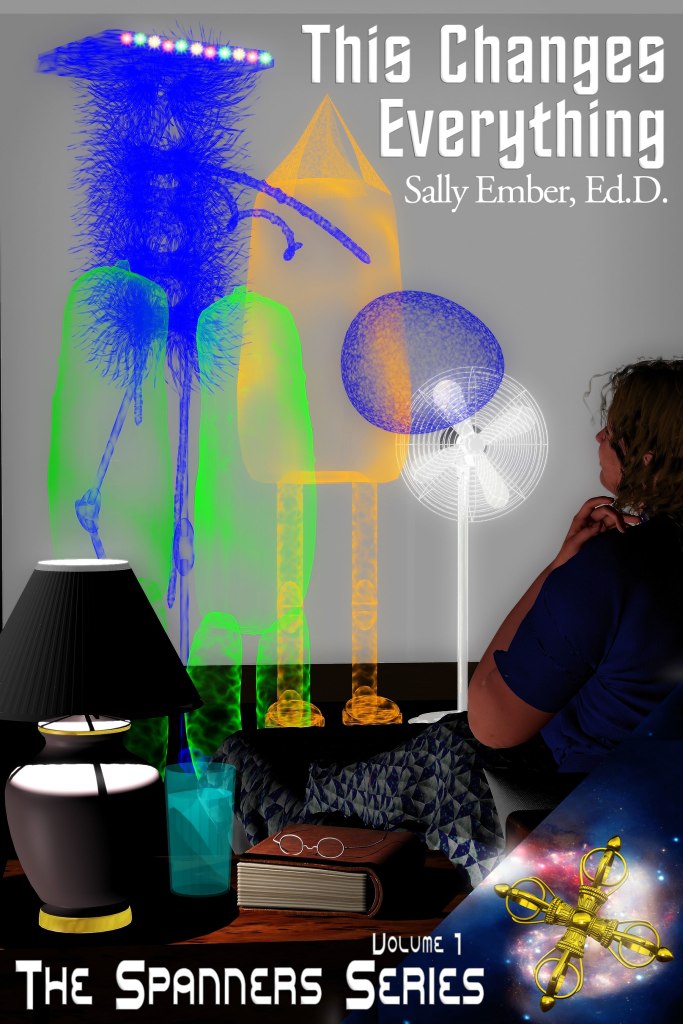






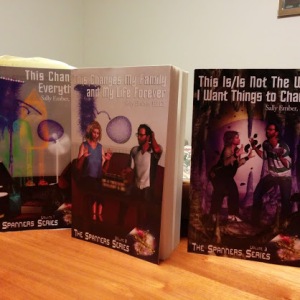













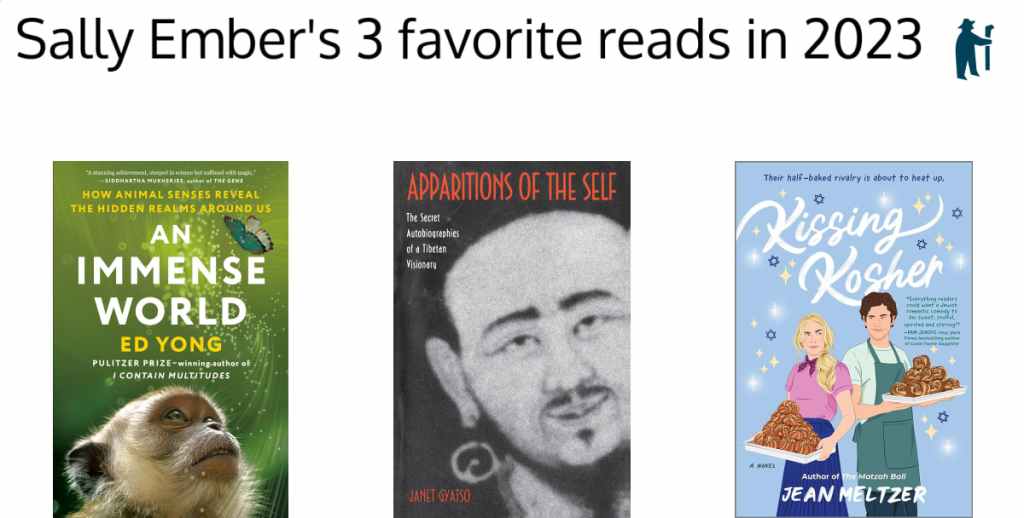








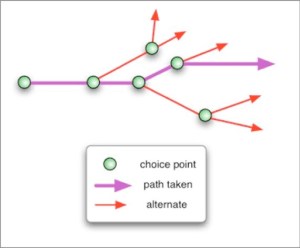

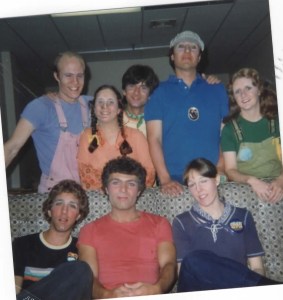










 Sally Ember, Ed.D.
You must be logged in to post a comment.