Unknown's avatar

#Meditation is Good for Our (#Aging) #Brains

#Meditation is Good for Our (#Aging) #Brains

In case you were wondering, and I was, why so many of my Buddhist friends and fellow meditators are mentally so healthy and over the ages of 65, 70, 75, I decided to “look it up” and see if my suspicions were correct. They are.

If we’re lucky enough not to have anything else kill us or ruin our brains, meditation DOES have a measurably profound, positive impact on our mental and physical health, particularly on maintaining cognitive functionality into our senior years.

And, it’s not just those in my experience whose brains are doing great: meditators everywhere (if we could study us all) most likely have brains that are younger, more pliable, and less prone to diseases of aging, even as the calendars march us onward. This is a club you want to join!

No need to ditch your current religion, spirituality, atheism or anything: just learn to meditate and do it regularly!
“A [2016] study suggested that taking time from your busy schedule to meditate can actually help preserve your mind and slow Alzheimer’s disease and related dementias. Learn more about how meditation can slow Alzheimer’s.” https://www.jeffersonhealth.org/your-health/living-well/yes-meditating-can-reverse-cognitive-decline-heres-how#:~:text=Yes%2C%20Meditating%20Can%20Reverse%20Cognitive,Here’s%20How%20%7C%20Jefferson%20Health

Meditation has been shown to slow the typical aging effects on our brains very specifically. This longitudinal individual study, quoted and linked, below, makes me smile, since I know this Rinpoche (an honorific Tibetan term meaning “precious teacher”).
“Using MRI and a machine learning framework which estimates ‘brain-age’ from brain imaging, [neuroscientist, Richard] Davidson and lead scientist, Nagesh Adluru, studied the mind of Tibetan Buddhist meditation master, [His Eminence] Yongey Mingyur Rinpoche, over the course of 18 years….
Rinpoche was first scanned in 2002 at the age of 27. At the time, he had already completed nine years of meditation retreats. He was scanned again at the respective ages of 30, 32 and 41 years old.
“The last time he was scanned, he had just returned from a four-and-a-half-year wandering retreat, and his brain was calculated to be 33-years-old, eight years younger than his biological age.
“The researchers compared Rinpoche’s aging brain to a control group and his appeared to age much slower than the general focus group.”
https://www.cnn.com/2020/03/20/health/meditation-slows-brain-age-trnd-wellness/index.html#:~:text=A%20recently%20pubished%2018%2Dyear,compared%20to%20a%20control%20group

So, how long does it take and how much meditation do we need to do to gain positive effects? Read on and check out the longer articles in each link.

How long you need to meditate to see results for your body and brain
“…[M]editation can affect the brain and body in myriad ways, from reducing the risk for chronic diseases to lowering the risk for anxiety and depression….
“Research shows meditation reduces stress, anxiety, and depression symptoms. A 2016 study found that longer-term meditation practice was associated with structural changes of the ‘white matter’ in the brain, which is responsible for ‘relaying sensory information’ and can explain why meditation helps people stay in the present moment and may help combat age-related cognitive decline. 
“A more dated study found an increase in gray matter in the brain’s hippocampus, the areas associated with memory, emotional regulation, self-processing, and perspective taking, with regular meditation. 
“‘The practice also enhances attention, and increases the ability to cultivate awareness around emotions so they don’t bubble up later,’ Gonzalez says….
“Studies point to 8-weeks of meditation practice to see results. One study found improvements to memory, emotional regulation, and mood with 8 weeks of 13 minutes of meditation a day. But there isn’t a magic number. 
“Gonzalez, who has trained over numerous leaders in the practice, says: ‘as little as 10 minutes can make a difference. What matters most is dedicating yourself to the technique (that means not checking work notifications in the middle of a practice).'”

How long you need to meditate to see results for your body and brain?
It can take as little as 10 minutes a day to rewire the brain.
Twenty minutes or more: even better!

Neurologists, neuroscientists, gerontologists, psychiatrists and others are VERY interested in these results! More, below.

“‘Mental training that targets stress and attention regulation has the potential to improve both cognitive and emotional aspects of ageing,’ researcher [Dr. Chetelat] says….
“Dr. Chetelat said: ‘Strategies to prevent dementia are urgently needed. Mental training that targets stress and attention regulation has the potential to improve both cognitive and emotional aspects of ageing.
“’Previous studies have shown mindfulness meditation improves cognition, specifically in older adults across multiple domains including attention, executive functions and self-awareness or meta-cognition.
“’Mindfulness meditation can also reduce stress, anxiety and depression – including in older adults.’…
”Dr. Chetelat said: ‘Meditation appears to be a promising approach to preserve brain structure and function as well as cognition and thus to reduce dementia risk by directly targeting psycho-affective factors.’”
“The study is in the journal JAMA Neurology.”
https://www.independent.co.uk/news/health/meditation-dementia-causes-mindfulness-study-b2200022.html

You can learn basic meditation from an app, a book, or a friend.
Advanced or more complicated techniques require a teacher or a class/workshop, but these are not necessary to acquire benefits listed above.

Really. Get to it, NOW! #MEDITATEDAILY!

Unknown's avatar

Meditation, Overall Health and the Vagus Nerve

Meditation, Overall Health and the Vagus Nerve

What, where and for what is our vagus nerve? In this post, I offer some personal experiences of noticing how meditation affects my own vagus nerve, and some others’ diagrams and info for having a more healthy vagus nerve and how having a strong, or “toned,” vagus nerve improves many aspects of one’s health.

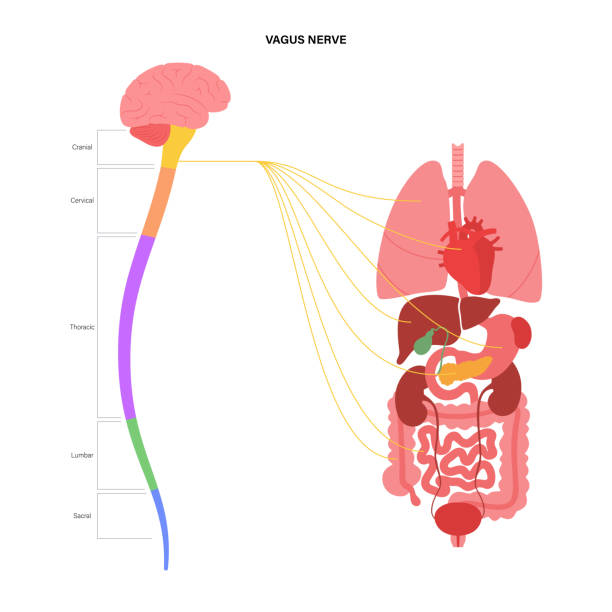
First, what is the vagus nerve? It is often called “the X cranial nerve or the tenth cranial nerve” because it extends throughout the body into the cranium of our brains. The vagus is the longest nerve in a human’s nervous system, starting in our intestinal area and stretching all the way into our brains.

Where is it? Almost everywhere! It is not straight: the vagus goes curving, looping and touching many organs and parts of our body as it extends.

from https://greatist.com/health/vagus-nerve
Design by Mekhi Baldwin

What does the vagus nerve “do”? We don’t even yet know all of its influences, but here are some functions we do know about, below.

How can we improve our vagus nerve’s usefulness? Many people have been studying this, and here are some tips, below.

Vagal tone is an internal biological process that represents the activity of the vagus nerve. Increasing your vagal tone activates the parasympathetic nervous system, and having higher vagal tone means that your body can relax faster after stress.

“In 2010, researchers discovered a positive feedback loop between high vagal tone, positive emotions, and good physical health. In other words, the more you increase your vagal tone, the more your physical and mental health will improve, and vice versa.

“When your heart rate variability (HRV) is high, your vagal tone is also high. They are correlated with each other.”
https://sass.uottawa.ca/sites/sass.uottawa.ca/files/how_to_stimulate_your_vagus_nerve_for_better_mental_health_1.pdf

Vagus nerve diagram. Parasympathetic and central nervous system function. Signals from brain to internal organs in the human body. Spinal cord and nerves connections flat medical vector illustration. From: https://www.istockphoto.com/photos/vagus-nerve

How can we improve our vagus nerves “at home?” Here are 9 “Ways of Vagus Nerve Stimulation to Nourish Your Body and Mind”:

I. “Deep, slow, belly breathing is [one] way to stimulate your vagus nerve. It’s been shown to reduce anxiety and increase the parasympathetic system by activating the vagus nerve.

  1. Breathe more slowly (aim for six breaths per minute).
  2. Breathe more deeply, from the belly. Think about expanding your abdomen and widening your rib cage as you inhale.
  3. Exhale longer than you inhale.

I don’t do this nearly enough. It’s so much better than ordinary breathing, too. Try it!

II. “The vagus nerve is connected to your vocal cords and the muscles at the back of your throat. Singing, humming, chanting and gargling can activate these muscles and stimulate your vagus nerve. And this has been shown to increase heart-rate variability and vagal tone. The vibrations from ‘OM’ chanting stimulate the vagus nerve, which then sends out neurotransmitters and electrical signals that reduce activity to key areas of the brain like the amygdala, associated with our ‘fight/flight/freeze’ response.

III. “Acute cold exposure has been shown to activate the vagus nerve and activate cholinergic neurons through vagus nerve pathways.

IV. “Gut bacteria improve brain function by affecting the vagus nerve. Omega-3 fatty acids increase vagal tone and vagal activity. Studies shown that they reduce heart rate and increase heart rate variability, which means they likely stimulate the vagus nerve. And, high fish consumption is also associated with ‘enhanced vagal activity and parasympathetic predominance.’

V. “Exercise also been shown to stimulate the vagus nerve, which may explain its beneficial brain and mental health effects.

VI. “Massages can stimulate the vagus nerve, and increase vagal activity and vagal tone.

VII. “Socializing and laughing can stimulate the vagus nerve, and increase vagal activity and vagal tone.”

VIII. Yoga poses with or without meditation practices in addition to those sessions are great for vagal toning.

IX. Intermittent fasting is a health benefit for many, but check with your health care provider if you are diabetic, have hypoglycemia, may be pregnant or have other conditions that make fasting something that must be carefully monitored. “Fasting and caloric restriction increase heart rate variability, which is an indicator that it increases parasympathetic activity and vagal tone.”

https://www.artofliving.org/us-en/7-natural-ways-to-strengthen-and-stimulate-your-vagus-nerve-today

Prefer watching and listening to reading? Try this short video, in which Naomi Goodlet provides an exercise for vagus nerve health on YouTube, “A 12-Minute Breathing Practice to Activate Your Vagus Nerve”:

As a long-time (for almost 50 years) meditator, I can attest that stimulating the vagus nerve does occur during many types of meditation and is extremely pleasurable. Also, many other benefits occur from having good vagal tone, as indicated above and below in this post and via the links in this post.

“The vagus nerve and meditation are intertwined. What happens if you stimulate the vagus nerve?
When stimulated, you feel calmer, more compassionate, and clearer. Stimulating the vagus benefits your autonomic nervous system and mental health.

“Healthy vagal tone means emotional regulation, greater connection, and better physical health as well.

“The vagus nerve stimulates certain muscles in the heart that help to slow heart rate.

“Research shows that meditation increases vagal tone and positive emotions, and promotes feelings of goodwill towards yourself.

“Another study found that meditation reduces sympathetic ‘fight or flight’ activity and increases vagal modulation.”

Image result for vagus nerve stimulation symptoms meditation
Vagus nerve pathway in humans

“The first study found that stimulating the vagus nerve dramatically reduces the severity of depression.

“The second study found that mindfulness meditation also optimized functional connectivity of the default mode network which lowered inflammation and improved the brain’s ability to manage stress and anxiety.”

More info about the vagus nerve and its functions, as quoted above, here: https://greatist.com/health/vagus-nerve#testing

I actually feel my vagus nerve responding as soon as I am doing an advanced meditation practice (dzogchen, a Tibetan Buddhist Vajrayana meditation technique) that I have been doing many times during and sometimes for hours daily since 1999. I mostly feel this response in the vicinity of my heart and solar plexus, as if a metaphoric flower were opening, like a warmth spreading inside my abdomen and chest. This vagus nerve stimulation is, for me, similar to the physical experiences of feelings of being happily but quietly excited, a first awareness of falling in love, and/or my noticing my being loved by or loving someone dear.

Do you ever sense your vagus nerve while engaging in any activities or practices?
—Where in your body?
—In what ways?
—Exactly when/during what activities?

Comments are best offered here: http://www.sallyember.com/meditation-overall-health-and-the-vagus-nerve I will respond to all legitimate readers.

Good luck and best of vagal tone to you all!

Unknown's avatar

1 out of every 8 USA adults has 4 or more #ACEs (Adverse #Childhood Experiences)

It is estimated that 1 out of every 8 USA adults has 4 or more #ACEs (Adverse #Childhood Experiences); MOST people have at least one out of 10 ACEs. “An ACE score is a tally of different types of #abuse, #neglect, and other hallmarks of a rough childhood. According to the Adverse Childhood Experiences study, the rougher your childhood, the higher your score is likely to be and the higher your risk for later #health problems,” including #cancer, #hepatitis, #heart disease, #diabetes, #hypertension, mental illness, frequent sicknesses of other kinds (e.g., “auto”-immune diseases), COPD (obstructive breathing problems), #addictions and #allergies, and many other problems.

These effects are due to the bodies’ stress response system’s being on overload, chronically and continuously (adrenalin, cortisol), which can screw up one’s immune system. The symptoms can show up immediately (childhood #asthma, skin #rashes, #ADHD and other “behavior” issues, including #eating disorders) and throughout one’s life, especially after age 40.

Children who live with/are exposed to conditions that put them under extreme #stress, repeatedly, have our brain structures altered forever, developing abnormal #hormonal and #immune systems, and affecting the ways one’s DNA is read and transferred (so, ACEs influence current AND future generations).

More facts and anecdotes are in this podcast, Hardwired, including info about the genetic connection to personality traits and other significant science about our biology’s and environment’s interdependent influences. Listen to that and more here–the same page as other archived shows is linked to: http://www.npr.org/programs/ted-radio-hour/archive

Want to see or take the ACEs quiz? http://www.npr.org/sections/health-shots/2015/03/02/387007941/take-the-ace-quiz-and-learn-what-it-does-and-doesnt-mean


I responded “yes” for 9 out of 10 ACEs.

Unsurprisingly, my health has been “compromised” or difficult all my life. Oddly, though, I consider myself “a healthy person with particular problems that are /have been mostly under control,” mostly because they haven’t completely prevented me from many types of success.. Some problems have gotten worse after I suffered a TBI/concussion 3.5 years ago (which we know now also adversely affects one’s immune system, among other consequences. I have many blog posts about this in 2014 – 2015, at http://www.sallyember.com/blog). Some ongoing health issues have been worsening with age (I am well over 40). I have, however, never been addicted to anything even though that “runs in my family.”

Robert Wood Johnson Foundation

The majority of the people who have scored over 7 out of 10 ACEs have been/are still incarcerated, living with severe mental or physical illnesses, or are already dead by my age. I am one of the few luckier ones who isn’t in the worst situations.

This “luck” is probably due to my having had many positive conditions, some self-selected:

  • 1) since age 17, been meditating daily;
  • 2) always making sure I have regular exercise;
  • 3) many positive older teens and then adults were in my life during the most stressful years;
  • 4) lots of individual and group counseling/ therapy during and since undergraduate years in college;
  • 5) access to thousands of books (Yay to public libraries!) and excellent, advanced education and training (including in self-care and mental/social health);
  • 6) some good family support;
  • 7) education/experiences with music, the arts, summer camp;
    and,

  • 8) great friends.

For more information about resources and prevention as well as the original research on ACEs, visit the USA’s CDC (Center for Disease Control)’s website: https://www.cdc.gov/violenceprevention/acestudy/index.html

Unknown's avatar

Because of Hormesis: When Heartache Doesn’t Wreck You, It Makes You Stronger

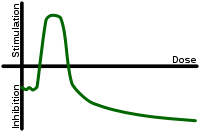
Hormesis occurs when a bit of a harmful substance or a life or physical stressor comes into our experience/body in just the right dose or the right intensity. This exposure stimulates our body or spirit to fight back, to get stronger, better, healthier and, therefore, better prepared for any future stronger/larger doses.

Also posted on: http://connectandpost.wordpress.com/2014/02/14/guest-post-because-of-hormesis-when-heartache-doesnt-wreck-you-it-makes-you-stronger/

Hormesis_dose_response_graph

How do We Find Our Level?
Most people understand this concept if we exercise with weights, because hormesis explains the benefit of doing the right number of reps (repetitions) with each machine or free weight. Athletic coaches and trainers urge us on, but only to the point of increasing returns. As soon as we get to accruing diminishing returns, we are to stop. How much fatigue, weakness, pain, burning, failure are “too much”?

This is exactly what we need to learn about ourselves in order to avoid hurting ourselves during a workout (or relationship). Water flows downhill; without a hill, it’s stagnant. With rolling hills, meaning, many different experiences, we/water finds its level at every resting place.

Low-Water

Feast or Famine?
Hormesis also governs the benefits of fasting or reductions in calories. Again, only to the point of increasing returns: relieving our digestion for a period of time, cleaning out our systems, creating a new “set point” for our metabolism and weight are all beneficial, but must occur through some stress on our body by reducing our intake of food.

It’s all right to be isolated (or hungry) for a specified time; the deprivation we experience increases our self-reliance, our independence, our ability to tune in and understand ourselves. We can actually feel pain (enormous pain, sometimes) and still be in the benefit “zone,” but if we continue to be damaged for too long, we risk incurring long-term, even irreparable harm (muscle deterioration, mental fuzziness, weakness, anemia, distorted self-esteem, inappropriate detachment, odd cravings, bizarre relationship choices, etc.).

intermittent fasting

How do We Know When to Jump Out of the Pot?
Most importantly for our understand of ourselves, hormesis shows us that we are not wrong to overcompensate for challenges because that stretching and pushing ourselves beyond our “comfort zone” help us get tougher, smarter, stronger, more confident, more capable for the next encounter with that circumstance. However, if we continually seek or exist in toxic situations, we risk grave harm, even death.

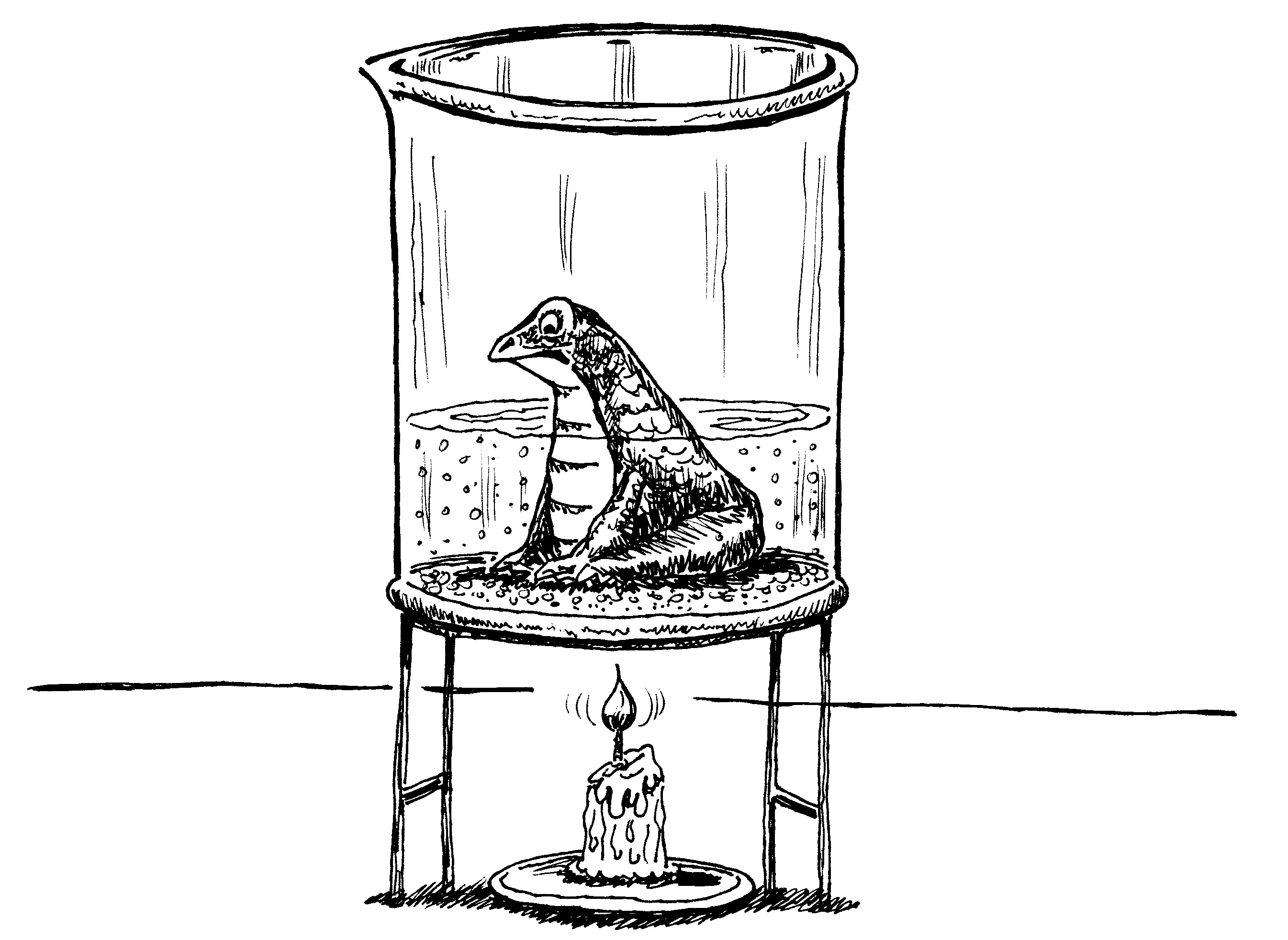
The worst is a situation, an “exposure” to a “toxin” that is gradually getting higher. This is quite dangerous and terrible. Like the frog put into cold water in a pot whose water is slowly heated to boiling, we, too, won’t jump out or even realize we should remove ourselves from the exposure until it’s too late: we get cooked.

We have to know when to exert the effort, when to jump, to jump while we still can. Are you a “glutton for punishment” or an appropriate risk-taker?

frog-heat-beaker

What Risks are “Worth” the Experience?
How much hormesis stimulation (how large a toxic dose) is just right and how much is too much? The key here is that hormesis is a favorable response to low exposures of some toxin or stressor. We are not set up to manage moderate or high exposures, especially over prolonged periods of time, without being damaged. With low doses of the potentially harmful substance, most can get stronger; with high doses, almost all die.

A few bad experiences or relationships are manageable. We learn, we grow, we get stronger from these. However, frequently or chronically occurring destructive circumstances ruin us. We do not have unlimited capacities: we do contract an illness, like cancer; we do get depressed, sometimes to the point of suicide; we do become unable to cope.

mended heart

How do We know When It’s Too Much?
Here is the test. If our response to an “attack” is to become weaker or paralyzed (physically or metaphorically), hormesis is not in effect: we are just being knocked out. When we become exposed again, we will probably not survive intact.

If, when we are physically or emotionally stimulated by low doses of some toxic substance (or person), we develop greater immunity to future exposures, hormesis is working just fine.

HeartBreak Oscar Wilde

How is YOUR heart doing?